


Minimalist Golf Club Setup: The Best 5-, 7- and 9-Club Sets
Most golfers walk around with at least three clubs they have not hit on purpose in a year. They are in the bag because the set came with them, not because they earn their spot. We have already made the case for carrying less in Do You Really Need All 14 Clubs? This guide answers the question that comes next: if you are going to carry fewer clubs, which clubs should they be? Below is the setup that covers the most ground with the fewest sticks, plus lighter and heavier versions for players at different stages, and a repeatable process for building your own minimalist golf club setup instead of copying someone else’s.
Key Points
- 14 is a maximum, not a requirement. The USGA allows up to 14 clubs, and nothing in the rules says you have to fill every slot.
- Seven clubs can be a practical sweet spot for many recreational golfers. Driver, 4-hybrid or 5-wood, 6-iron, 8-iron, pitching wedge, sand wedge, putter covers the major shot categories you actually face.
- Cut redundancy, not categories. The clubs to drop are the ones that overlap another club’s yardage, which is usually not the ones you expect.
- Beginners can go lighter. A 3-wood, 5-hybrid, 7-iron, 9-iron, PW, SW and putter is easier to learn with than a full set.
- Nine clubs is the compromise. Add two clubs that fill the biggest gaps in your own carry distances for tighter spacing without returning to a full bag.
- You can still compete. Carrying fewer than 14 clubs is legal in tournament play, and if you start short you may add clubs during the round up to the 14-club limit, subject to the restrictions in Rule 4.1b.
The Practical 7-Club Setup
One club for every job you actually have on a golf course:
| The Job | The Club |
|---|---|
| Tee shots | Driver |
| Long fairway shots | 4-Hybrid or 5-Wood |
| Long and mid approach | 6-Iron |
| Mid and short approach | 8-Iron |
| Short approach | Pitching Wedge |
| Around the green and bunkers | Sand Wedge |
| Putting | Putter |
Why 7 Clubs May Be the Sweet Spot
Five clubs is genuinely minimalist. It is a great way to start, and it is the setup we recommend in The Sunday Bag Strategy. The tradeoff is big yardage gaps, sometimes 30 yards or more, which means a lot of half swings and manufactured shots.
Fourteen clubs is the legal ceiling. A full bag gives you much tighter yardage spacing and more specialized options, but it also means more weight and more decisions on the course.
Seven sits in between, and it works because of how a round actually breaks down:
- You use the same handful of clubs constantly. Driver, one long club, one or two mid irons, a wedge and a putter cover the overwhelming majority of shots in a typical round.
- Wider yardage gaps become manageable. A seven-club setup will create bigger gaps than a full set, but choking down, changing trajectory or making a three-quarter swing can cover many of the in-between distances.
- Fewer clubs means faster decisions. Standing over a shot with three plausible options is how you end up between clubs and between swings.
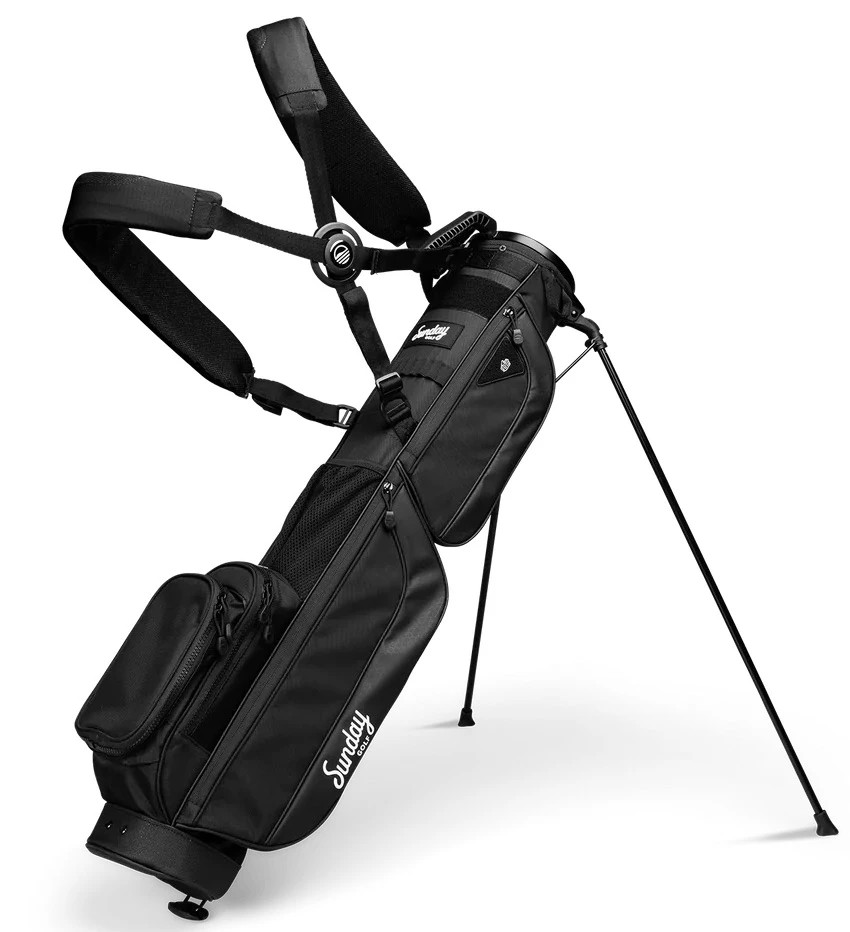
- The bag stays light enough to walk 18. Seven clubs in a carry bag is a completely different experience than a loaded stand bag on the back nine.
The Best 7-Club Golf Setup for the Average Golfer
Here is why each club in that answer box earns its spot, and what it is really doing for you.
- Driver. Nothing else in the bag makes the next shot easier the way a good tee ball does. Even if you are not a driver purist, keep a dedicated tee club.
- 4-Hybrid or 5-Wood. Your par-5 second shot, your long par-3 club, and your bail-out tee club on tight holes. A hybrid is the easier of the two to hit out of rough, which matters more when you have no backup.
- 6-Iron. For many recreational golfers, the 6-iron sits near the point where longer irons begin getting significantly harder to launch and strike consistently. It handles long approach shots and doubles as a punch club and a low runner into the wind.
- 8-Iron. Your bread-and-butter approach club. It also becomes your go-to bump-and-run club around the green.
- Pitching Wedge. Full shots inside your 8-iron, plus most standard chips. Its versatility makes it especially valuable when every club has to cover multiple jobs.
- Sand Wedge. Bunkers, greenside pitches, anything that needs to stop quickly. Do not try to save a slot here.
- Putter. The putter is typically the most-used individual club in the bag and is not a realistic candidate for removal.
Notice what is missing: the 3-wood, the 5-iron, the 7-iron, the 9-iron, the gap wedge and the lob wedge. The idea is not that these clubs are unnecessary; it is that a minimalist setup deliberately accepts larger distance gaps and asks each remaining club to handle more than one job.
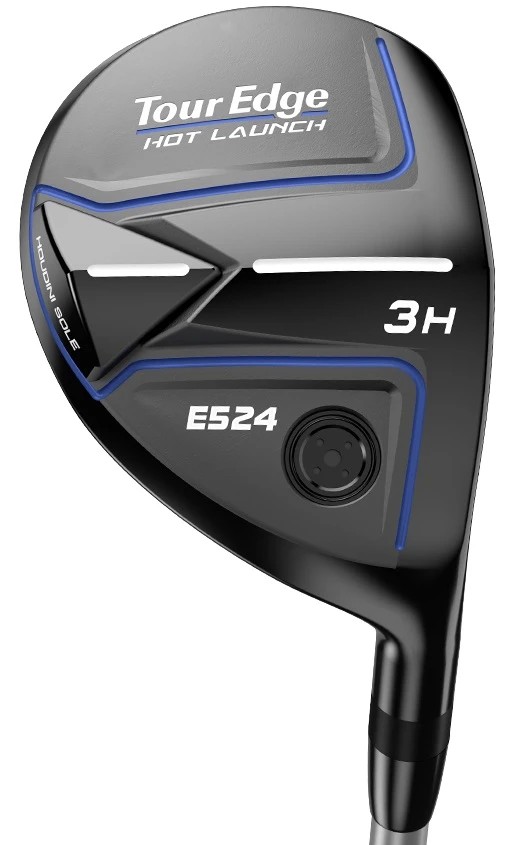
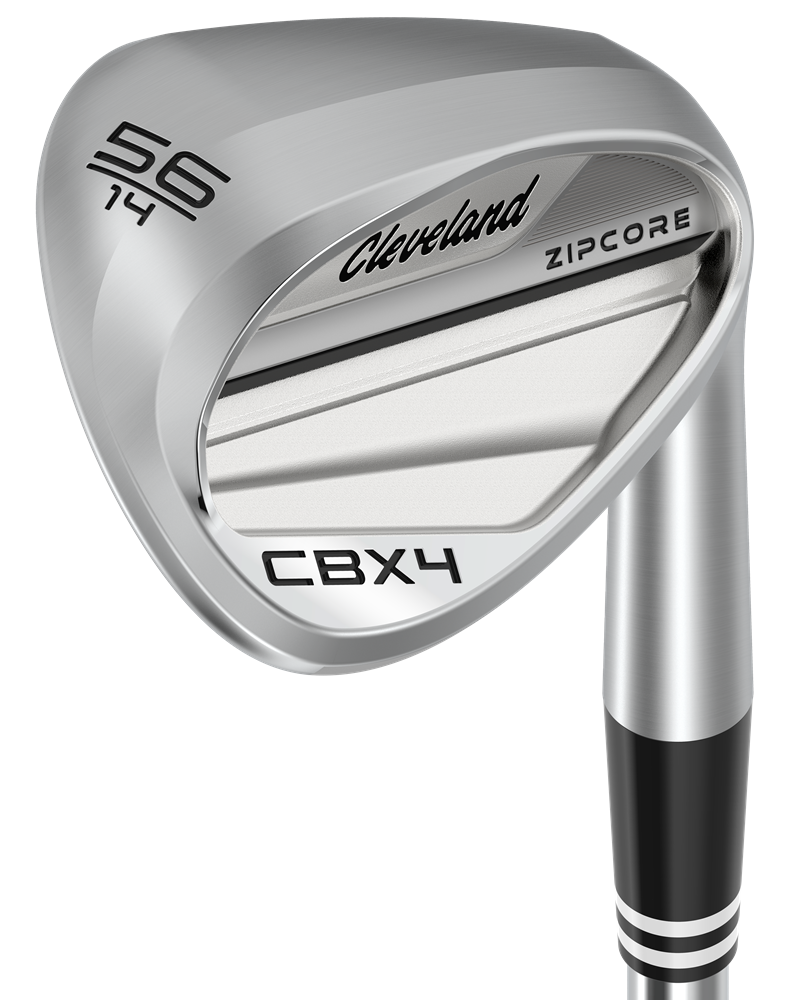
Fill the Three Slots Most Golfers Are Missing
Most golfers already own irons, a wedge and a putter. These are the three pieces that usually need buying when you build a seven-club bag from scratch.
7-Club Setup for a Beginner
Newer players benefit from more loft, easier launch, and bigger gaps that are simple to remember.
3-Wood or Driver → 5-Hybrid → 7-Iron → 9-Iron → Pitching Wedge → Sand Wedge → Putter
- 3-wood or driver. A 3-wood’s shorter shaft and extra loft may help some beginners with control, while the larger head of a modern driver can make tee shots more forgiving. Keep whichever one you can put in play more consistently.
- 5-hybrid instead of a 4-hybrid. The added loft and shorter shaft generally make a 5-hybrid easier for newer golfers to launch and control than a lower-lofted long club.
- 7-iron and 9-iron. Both offer useful loft and manageable shaft length, while leaving enough distance between them to serve distinct roles.
- PW and SW. Enough short game coverage to get out of bunkers and around the green without owning four wedges.
7-Club Setup for a Better Golfer
If you break 90 regularly and know your carry numbers, you can tighten the spacing and add a little more shot-shaping ability.
Driver → 4-Hybrid or Utility Iron → 6-Iron → 8-Iron → Pitching Wedge → 54° or 56° Wedge → Putter
- A utility iron works here if you prefer a flatter flight and more control than a hybrid.
- A 54° or 56° wedge gives you more distance range than a traditional high-bounce sand wedge while still handling bunkers.
- Better players can cover the missing yardages with three-quarter swings, which is exactly the skill minimalist golf builds.
5 Clubs vs. 7 Clubs vs. 9 Clubs vs. 14 Clubs
| Set Size | Best For | Main Tradeoff |
|---|---|---|
| 5 clubs | Beginners, par-3 courses, twilight nine, very light walking | Large yardage gaps and a lot of improvised swings |
| 7 clubs | Most minimalist golfers, walkers, regular casual rounds | Few significant weaknesses, occasional in-between number |
| 9 clubs | Golfers who want tighter distance gapping without a full bag | Slightly heavier, a few more decisions per shot |
| 14 clubs | Competition, low handicaps, full versatility | More weight, more decisions, and clubs that overlap |
If you want the 9-club version, identify the two largest or most troublesome gaps in your own setup and fill those first. For many golfers that could mean a gap wedge and another iron, but the right additions depend on your carry distances. Either way, nine clubs still fits comfortably in a carry bag.
Which Clubs Should You Leave at Home?
The standard advice is “ditch the long irons,” and that is not really the answer. Plenty of golfers who cannot hit a 4-iron are also carrying two wedges that land four yards apart.
The real test is redundancy. Look for clubs whose carry distances sit on top of each other:
- Start where the carry distances bunch up. If two clubs repeatedly carry within about 8 to 10 yards of each other, that is a good place to look for redundancy. Before removing one, consider whether the clubs produce meaningfully different trajectories or perform different jobs.
- Drop the club you trust less. Between two overlapping clubs, keep the one you would hit under pressure on the 18th hole.
- Watch the top of the bag. Some golfers, particularly players with moderate swing speeds, find that their driver, fairway wood and hybrid produce smaller carry-distance gaps than expected. Measure your actual carry numbers rather than assuming each club is filling a distinct slot.
- Watch the bottom of the bag too. Four wedges can provide excellent short-game gapping, but in a minimalist bag every wedge has to justify its place. If two wedges produce similar full-shot distances or you rarely use one, that is an obvious place to trim.
- Never remove the putter. It is the most-used club in the bag by a wide margin.
Removing a redundant club costs you almost nothing. Removing a club that owns a yardage nobody else covers leaves a hole you will feel every round.
How to Build Your Own Minimalist Golf Club Set
A repeatable six-step process for cutting your bag down to only the clubs that earn their place.
1. Find your real carry distances
Not your best-ever number. Hit five or six balls with each club at a range or on a launch monitor and write down the average. Many golfers discover more overlap in their carry distances than they expected.
2. Remove the overlapping clubs
Line the numbers up smallest to largest and circle any pair within about 8 to 10 yards of each other. Keep the one you hit more solidly and set the other aside.
3. Protect one tee club
Driver, mini driver or 3-wood, whichever one you can actually keep in play. Starting the hole well makes every other club in the bag easier to use.
4. Protect one long club you trust
A hybrid, a utility iron or a fairway wood for par-5 seconds and long par 3s. If the only long club you own is one you hate hitting, replace it rather than removing it.
5. Keep enough wedge coverage
In a seven-club setup, a pitching wedge and a higher-lofted wedge give you useful coverage for full approaches, bunkers and greenside shots. You need one club for full short approach shots and one club with enough loft and bounce to handle sand and greenside pitches.
6. Play three rounds and adjust
Note every shot where you genuinely wished for a club you left home. If the same gap shows up twice, add one club back. If it never shows up, you built the right set.

Can You Play Tournament Golf With Fewer Than 14 Clubs?
Yes. The Rules of Golf set 14 as a maximum, not a minimum, so starting a competitive round with seven clubs is completely legal.
Two things to know before you try it:
- You may add clubs during the round, up to 14. If you start a round with fewer than 14 clubs, you can add clubs while playing until you reach the limit, provided you follow the restrictions in Rule 4.1b, including not unreasonably delaying play.
- Damaged clubs are treated separately. The rules for replacing a club damaged during a round are narrow, so the safest plan is to start with the set you intend to finish with.
Practically speaking, most players who compete carry a fuller bag, because in tournament conditions a precise number matters more than a light bag. For everyday golf, that math flips.
What to Buy If You Are Building a Minimalist Bag
- Single clubs beat full sets. Buying individual clubs lets you build exactly the seven you want instead of paying for seven you will not carry.
- Pre-owned is the smart play here. A minimalist setup is a great place to save money, and our guide on buying used golf clubs without getting burned covers what to check before you commit.
- Get the long club right. This is the one slot where forgiveness pays for itself. Browse hybrids before defaulting to a long iron.
- Two wedges, chosen deliberately. Check the loft gap between your pitching wedge and your highest-lofted wedge. If the gap is unusually large, choose the second wedge based on the yardage you need to cover as well as the loft and bounce you need around the green.
- Match the bag to the set. A lightweight carry bag is the whole point. A seven-club setup in a 9-pound cart bag defeats the purpose.
Minimalist Golf Setup FAQs
How many golf clubs do I really need?
Many recreational golfers can cover the major shot categories with seven clubs: a driver, a hybrid or fairway wood, two mid irons, two wedges and a putter. Five clubs can work well for beginners and short courses, while nine clubs offer tighter yardage gaps without returning to a full bag.
What is the best 7-club golf set?
For the average golfer: driver, 4-hybrid or 5-wood, 6-iron, 8-iron, pitching wedge, sand wedge and putter. Beginners are usually better served by a 3-wood, 5-hybrid, 7-iron, 9-iron, pitching wedge, sand wedge and putter because those clubs have more loft and are easier to launch.
Which golf clubs should I leave at home?
Leave out the clubs that duplicate a yardage you already cover. If two clubs carry within about 8 to 10 yards of each other, keep the one you strike more consistently. That often means dropping a 5-iron, a 7-iron, a 9-iron or an extra wedge rather than automatically removing long irons.
Is it legal to carry fewer than 14 golf clubs?
Yes. The Rules of Golf allow a maximum of 14 clubs, and there is no minimum. You can play casual or competitive rounds with any number up to 14. If you start a round with fewer than 14, you may add clubs during the round until you reach the limit, provided you follow the restrictions in Rule 4.1b, including not unreasonably delaying play.
Will carrying fewer clubs hurt my score?
Not necessarily. Carrying fewer clubs means giving up some precise yardages, but it can also simplify club selection and encourage you to become more comfortable hitting different shots with the same club. Whether that helps or hurts your score depends on your game and the course.

The Bottom Line
The 14-club limit is a ceiling, not a shopping list. A thoughtfully chosen seven-club set can cover the major shot categories you face in a normal round, as long as you are willing to manufacture the occasional in-between shot, and the bag will be light enough that you actually want to walk.
Start with your real carry numbers, cut the overlap, and keep the clubs you trust. If you miss something twice, add it back. That is the whole system.
Keep Reading
Golf Club Advice
Do You Really Need All 14 Clubs?
The case for a minimalist bag, and what you gain by carrying less.
Tips & How-To’s
How to start golfing cheap with five clubs and a pencil bag.
Buying Guides
Used Golf Clubs: How to Buy Them Without Getting Burned
What to inspect before you buy single clubs for a minimalist set.
Golf Club Advice
Driving Iron and Utility Iron: What the Names Actually Tell You
Picking the right long club when you only get to carry one.
Danny Kapp — Golf Writer & Editor
Danny Kapp has spent 11 years writing about golf for Rock Bottom Golf, covering equipment, club selection, buying advice, and golf technology. His articles focus on helping everyday golfers understand their options and make more informed equipment decisions.

References
Rules claims in this article are drawn from the following primary source.
United States Golf Association. “Clubs,” Rules Hub, and Rule 4.1b (Limit of 14 Clubs). usga.org. Cited for: the 14-club allowance is a maximum, players may carry fewer, and a player who starts with fewer than 14 clubs may add clubs during the round up to the limit, subject to the restrictions in Rule 4.1b.
Last Updated on by Danny Kapp