


Driving Iron and Utility Iron: What the Names Actually Tell You
Ask a room full of golfers about the difference between a driving iron and a utility iron and you will get two answers, both delivered with total confidence. Half will tell you they are different clubs. The other half will tell you the terms are interchangeable and that anyone insisting otherwise has been reading too many product pages. A recent r/golf thread asking exactly this question shows the split clearly.
Responses in the cited r/golf discussion were divided. Several golfers treated the terms as interchangeable or largely marketing-driven, while others used “driving iron” for a more tee-oriented club and “utility iron” for a more versatile option.
That is the honest starting point. Driving iron and utility iron are usually overlapping marketing terms rather than a hard category split. Even so, the specs behind those names can differ enough to change which club belongs in your bag. Here is where the line blurs, where it does not, and what to look at instead of the name stamped on the sole.
Key Points
- “Driving iron” and “utility iron” are usually overlapping marketing terms for the same category of club.
- When brands sell both, the driving iron is often the smaller, stronger-lofted, lower-spinning option.
- “Utility iron” has become the broader label, covering models meant for tee shots and long approach shots alike.
- Loft is one of the biggest practical differences, though head shape, shaft, and CG placement all matter too.
- Compare actual specs rather than labels, and gap the club against what you already carry.

The Short Answer: The Names Overlap, But the Specs Can Still Vary Enough to Change How the Club Fits Your Bag
In modern retail, both terms commonly describe iron-shaped long-game clubs designed to launch more easily and retain more ball speed than traditional 2 or 3 irons. Many current models use hollow-body construction, thin faces, internal weighting, tungsten or polymer materials, though the exact construction varies by manufacturer. Lofts usually land somewhere between 16 and 23 degrees. Head shapes stay compact compared to a hybrid. Ball flight stays lower and more penetrating than a fairway wood.
Historically, “driving iron” was the more common tee-shot-oriented term, while “utility iron” became more common as the category broadened into long approach shots and rough recovery. Today, plenty of brands use both terms in the same catalog, and sometimes on the same product page.
A couple of product names show how loose this gets. TaylorMade’s P·UDI takes its initials from Ultimate Driving Iron, and the company’s own product page lists that club as a utility iron. Titleist, meanwhile, markets both clubs in its current utility lineup, the T250·U and the U·505, as utility irons, separating them by footprint and launch characteristics rather than by name. The naming is not standardized, so it’s not a reliable stand-alone signal.
If the top of your bag is sorted and the rest needs attention, here are three sets covering different budgets and player types.
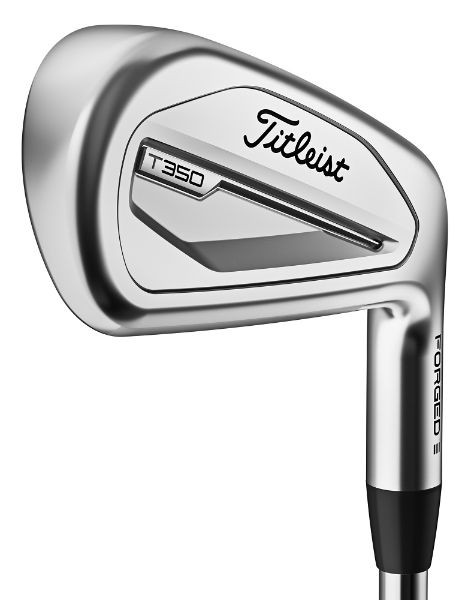
Hollow body construction with dual tungsten weighting, built for high launch and forgiveness. The 4 iron sits at 20 degrees, which puts the top of this set right in utility iron territory.
Shop the T350 3G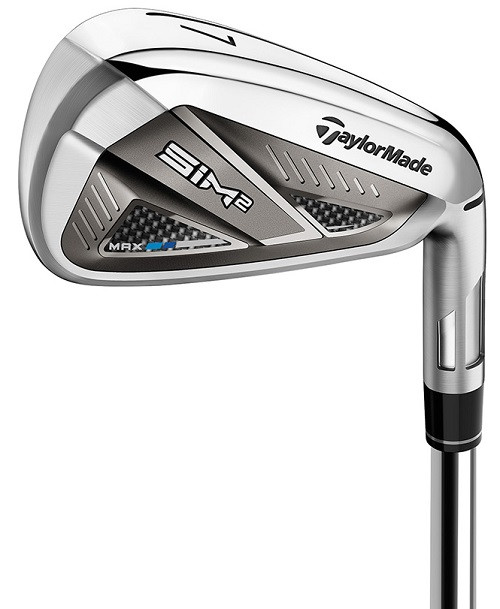
A cap back design with a thru slot speed pocket, aimed at golfers who want easy launch and help on strikes low in the face. A strong value pick a few seasons past release.
Shop the SIM2 Max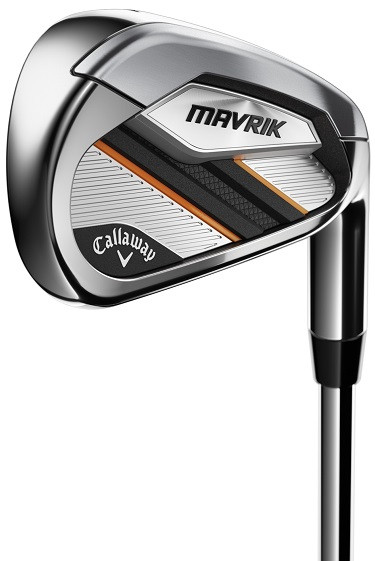
Flash Face technology with a face design tuned individually by club. A six piece makeup keeps the price down and leaves room to add a utility iron at the top.
Shop the MavrikPrices and availability change. Check the product page for current details.
What Golfers Themselves Say
The r/golf thread is worth reading in full, mostly because the responses are refreshingly blunt about the marketing side of this. Some golfers there treat the two names as describing the same club. Others draw a functional line, usually landing on the same idea a fitter would: it comes down to how the club is built and who it is built for.
Both camps have a point because the terms are not standardized across the industry. What you can do is look at the specs, which do not depend on anyone’s naming convention.
Where a Real Difference Between a Driving Iron and a Utility Iron Can Show Up
When a manufacturer sells multiple clubs in this category, the models are usually differentiated by characteristics such as head size, launch, forgiveness and intended use. Those differences do not necessarily correspond consistently to the labels “driving iron” and “utility iron.”
1. Loft
Loft is probably the biggest practical difference, though it is not the only one. Clubs in this category commonly range from approximately 16 to 23 degrees, although the available lofts vary considerably by model. Products called driving irons may be concentrated toward the stronger end, but products called utility irons can be offered at equally strong lofts. The actual loft matters more than the label. The ranges overlap heavily, which is exactly why the naming confuses people. What matters is the number, not the label. If you want something to hit into a par 5, the higher loft usually serves you better.
2. Head Size and Offset
Clubs positioned as driving irons tend to run smaller, with a thinner topline and minimal offset. That look appeals to better players, and it also tends to make the club harder to launch. Models positioned as utility irons often carry a slightly larger footprint and a wider sole, both of which help get the ball airborne. Offset varies more than you might expect, since several brands keep it minimal across the whole category so the club blends with a player’s iron set.
3. Center of Gravity and Spin
A lower and more forward center of gravity produces the flat, penetrating flight that makes these clubs useful into the wind. Pushing mass lower and deeper tends to raise launch and add a little spin, which helps when the ball needs to stop on a green. Manufacturers tune this deliberately, and it is often the clearest functional difference between two clubs in the same family.
4. Stock Shaft
This one gets overlooked and it can matter as much as the head. Stock shafts vary by model, but many driving-iron-style builds use heavier or lower-launching shafts to keep flight down. Some utility irons are offered with lighter graphite options, though many are also sold with heavier steel or custom-fit shafts. In some current models, a lighter graphite stock shaft is paired with heavier head weighting to preserve swing feel and performance. Same head, different shaft, and you can end up with two very different clubs.
5. Shaft Length
Some of these clubs are built a touch longer than a standard long iron to chase speed. Others are built to standard iron length for control. Check the spec sheet, since a half inch changes both distance and how consistently you find the center of the face.
| Spec | Often Marketed as “Driving Iron” | Often Marketed as “Utility Iron” |
|---|---|---|
| Common loft range, model dependent | About 16 to 20 degrees | About 16 to 22 or 23 degrees |
| Head profile | Often more compact | Often slightly larger footprint |
| Ball flight | Lower, more penetrating | Moderate, easier to launch |
| Typical use case | Tee shots on tight holes | Tee shots plus long approaches |
| Common stock-shaft pattern, model dependent | Heavier or lower launching | Lighter graphite options available |
| Often best suited to | Faster swing speeds | A wider range of players |
These are tendencies rather than rules, and they vary by brand. Plenty of clubs break the pattern, which is exactly why the naming debate keeps coming back around.
What to Actually Look At When You Shop
Ignore the name on the sole and work through these instead.
- Your gap. Figure out how far you hit your longest comfortable iron and your shortest fairway wood. The number in between is what you are shopping for. If your 4 iron carries 190 and your 5 wood carries 220, you probably need something around 200 to 205, not the strongest loft on the rack.
- Launch and peak height. If you already hit a low ball, a 17 degree head with a heavy steel shaft is likely to run out low and hot with little stopping power. A little more loft can make the club much easier to launch and control.
- Shaft weight and flex. Ask what shaft is in the club early in the process, because it can change the club’s behavior a lot. A 20 degree head can play very differently depending on whether it holds a 70 gram graphite or a 105 gram steel.
- Turf interaction. If you plan to hit this club off the deck, sole width matters. A narrow sole tends to dig. A wider sole tends to glide. Test it from a real lie rather than a mat if you can.
- Whether a hybrid would do it better. This is the honest question underneath the whole debate. Hybrids tend to launch higher, land softer, and forgive more. If you need a club that holds greens, a hybrid usually has the edge. If you need something that flies under wind and rolls out on a firm fairway, the iron shape tends to win.

Who Should Actually Carry One
Utility and driving irons tend to reward faster swing speeds and consistent strike. The compact head usually means less forgiveness on mishits than a hybrid, and the flatter flight can mean less carry if you do not deliver enough speed. That is not a hard cutoff, and modern hollow body construction has widened the appeal considerably. TaylorMade’s player research found that usage of its more compact UDI model skewed toward better players, while the majority of golfers using its more forgiving DHY model fell between six and 18 handicaps. That suggests forgiving utility-style irons can appeal well beyond elite and low-handicap golfers.
The players who benefit most tend to be golfers who fight a high ball flight, play windy or firm courses, or simply cannot get comfortable looking down at a hybrid. If you have tried three hybrids and disliked all of them, this category is worth a look. If your main problem is getting the ball in the air at all, it probably is not.
Worth noting too that this category now has competition from another direction. Mini drivers are chasing a similar job off the tee with more forgiveness and a very different look. Depending on how you play, that may be the better answer to the same problem.
Frequently Asked Questions
Is a driving iron the same as a utility iron?
Usually the terms overlap and describe the same category of club. When a single brand sells both, the driving iron is often the stronger-lofted option aimed at tee shots, while the utility iron tends to be positioned as more versatile. The naming is not standardized across the industry.
What loft driving iron should I get?
Pick the loft that fills the distance gap between your longest iron and your shortest fairway wood. For many golfers that lands somewhere between 18 and 22 degrees, though slower swing speeds tend to do better toward the higher end.
Is a utility iron easier to hit than a 3 iron?
Generally yes. Hollow body construction with internal weighting tends to launch higher and hold speed better on off center strikes than a traditional forged long iron.
Should I choose a utility iron or a hybrid?
Hybrids tend to launch higher, land softer, and forgive more mishits. Utility irons tend to fly lower and hold their line better in wind. Choose based on the shot you actually need, and test both if you can.
Can you hit a driving iron off the fairway?
Yes, though sole width and loft affect how well it works. Lower lofted models with narrow soles can be demanding off the deck, which is part of why many players carry the higher lofted version instead.

The Bottom Line
The Reddit crowd is mostly right on the naming issue. Driving iron and utility iron are overlapping, nonstandardized marketing terms rather than clearly separate equipment categories. Loft, shaft, head shape, launch characteristics and distance gapping are more useful than the name printed on the club. What actually changes your results is loft, shaft, head shape, and whether the club fills a real gap in your bag.
Find the number you need, check the shaft, hit it if you can, and let everyone else argue about what to call it.
Keep Reading
Mini Drivers: Why Golf’s In-Between Club Is Suddenly Everywhere
Another club chasing the same job off the tee, with a very different shape.
TaylorMade P790 Irons Review: Smaller Head, Bigger Results
Hollow body iron construction, and what that design actually does for you.
Used Golf Clubs: How to Buy Them Without Getting Burned
A smart way to test this category without paying full retail.
Sources
Writer/Editor: Danny Kapp is a passionate golf enthusiast and a 10-year veteran golf blog writer for Rock Bottom Golf, offering his unique perspective on the game. With a keen eye for detail, he covers various aspects of golf, ranging from technical insights to the latest trends in golf equipment and golf technology.

Last Updated on by Danny Kapp