


Golfing in Cold Weather: How to Adjust Your Club Selection Without Guessing
When golfing in cold weather, your 7-iron did not forget how to travel 150 yards. But the shot that worked in July might leave you staring at the front bunker in October.
Cooler air, extra layers, and fairways that have stopped handing out free roll can change how a familiar course plays. The mistake is pulling the same club, making the same plan, and expecting your summer yardage to show up out of loyalty.
Here is how to check what your clubs are doing today, choose a sensible target, and avoid spending the whole round one club short.
The Short Answer
When playing golf in cold weather, check your current carry distances before relying on your summer numbers. Allow for wind separately, and expect less rollout when the ground is soft. Taking more club can help, but “always add one club” is too broad: the right adjustment depends on your strike, the conditions, and the trouble around your target.

Why Does a Golf Ball Travel Less Distance in Cold Weather?
Colder air is denser, increasing aerodynamic resistance. The temperature of the ball itself can also affect its performance. Those are separate effects, which is one reason a temperature reading alone cannot tell you exactly how many yards you will lose. Golf Monthly’s cold-weather ball guide discusses both factors.
Then there is the golfer. Before blaming the ball, check whether you are making your normal turn in the clothes you are wearing. A jacket that feels fine in the parking lot may have other ideas at the top of your backswing.
Finally, separate distance through the air from distance along the ground. A drive that rolls less on a wet fairway has lost total distance, even if its carry has barely changed.
Those problems require different adjustments.
Cold-Weather Club Selection: What to Check First
| What you notice | What to check | Practical adjustment |
|---|---|---|
| Several solid shots land short | Wind, strike, and today’s carry distance | Choose a club that covers the required carry with a comfortable swing |
| Drives land normally but finish shorter | Fairway firmness and rollout | Plan for a longer second shot; do not assume your driver has lost the same amount of carry |
| Your swing feels restricted | Jacket fit and freedom to turn | Adjust your layers, then reassess before changing every yardage |
| A headwind makes the approach uncertain | Distance to clear trouble and the safest landing area | Give yourself a safer target and avoid relying on a perfect strike |
| The morning warms up noticeably | Whether your earlier distance adjustment still fits | Recheck it instead of keeping the first-tee correction all afternoon |
Use the table to identify the problem. A shorter result does not automatically mean you need to swing harder.
How Much Distance Do You Lose in Cold Weather?
There is no single yardage deduction that works for every golfer and every club. Treat temperature-based estimates as a rough starting point, then check what happens on solid shots in the conditions you are actually playing.
Be particularly careful with advice that turns a temperature drop into an automatic full-club change. Your wedge and your driver do not fly the same distance or follow the same flight. And a calm, cool afternoon is a different assignment from a cold morning with a headwind and wet turf.
The useful question is: How far will this club carry today, with a swing I can repeat?
That answer helps you clear a bunker. An argument about whether the weather owes you six yards does not.
Build a Simple Fall Yardage Check
You do not need to rebuild your entire distance chart before every round. Start with a wedge, a mid-iron, and one longer club you trust.
-
Warm up before measuring anything
Give yourself time to loosen up, then build from short swings to comfortable full swings. The first stiff swing of the morning is a poor basis for choosing clubs for the next four hours. The PGA offers a cool-weather warm-up routine if you need a starting point.
-
Watch where solid shots land
Look for a repeatable landing area across several reasonably struck shots. Leave the obvious mishits out of your distance estimate, but do not promote the one perfect strike to your new stock yardage.
Range balls and uncertain landing distances limit precision. Use them for a preliminary check, then refine your estimate from normal shots during the round. If you use a launch monitor, check whether its displayed distances reflect actual conditions or standardized settings.
-
Keep a short note
Record the conditions and a working carry estimate for each club you checked. For example:
Club Usual carry Today’s observed carry Working note Pitching wedge 110 yards About 105 yards Calm conditions; comfortable swing 7-iron 150 yards About 143 yards Several solid strikes landed in this area Hybrid 185 yards About 177 yards Use cautiously near a forced carry These are invented examples showing how to record observations, not predicted cold-weather losses. Your numbers may differ substantially.
-
Update when the evidence changes
If you shed a layer, the wind shifts, or solid approaches start finishing long, revisit the adjustment. The number that helped on the second hole can be wrong by the twelfth.
Choose Enough Club to Clear the Trouble
Suppose the flag is 150 yards away and a bunker guards the front. Your usual 150-yard club has been carrying closer to 143 today.
Choosing it again because the rangefinder says 150 is ignoring information you already paid for on the previous hole.
Check the distance needed to clear the bunker, the space beyond the flag, and where an ordinary miss would finish. Then choose a club and target that leave room for variation. More club makes sense when short is the expensive miss and there is room beyond it. It is less appealing when the back of the green drops into trouble.
The goal is a manageable next shot, including when contact is merely decent.
Should You Change Golf Balls for Fall?
Start by checking whether your current ball still gives you the flight, feel, and short-game control you want. A seasonal change should solve a specific problem.
You might prefer a different color because it is easier for you to track, or a lower-cost model because your course has become a leaf collection with flagsticks. Try the color against your actual course background; bright does not automatically mean easier to find everywhere.
If you change models, check chips and pitches as well as full shots. Our golf ball compression guide explains why compression alone is an incomplete way to choose a ball.
Keep the model consistent while checking your fall yardages. Switching balls repeatedly adds another variable to a day that already has plenty.

What Gear Is Worth Checking Before a Cool-Weather Round?
Start with what you own. Make a few practice swings in your planned layers, check your shoe traction, and pack a spare glove and a dry towel if damp conditions are likely.
If something needs replacing, buy for the problem: a layer you can turn in, shoes suited to wet ground, or gloves that help you maintain a secure grip. A cold forecast is not, by itself, a reason to replace your clubs.
Browse Rock Bottom Golf for the gaps in your setup, then leave the rest of the budget for another round.
Cool-Weather Gear Worth Checking
Buy for the problem you actually have. If your layers already let you turn and your grip stays secure, you do not need anything here.
-
Freedom to turn
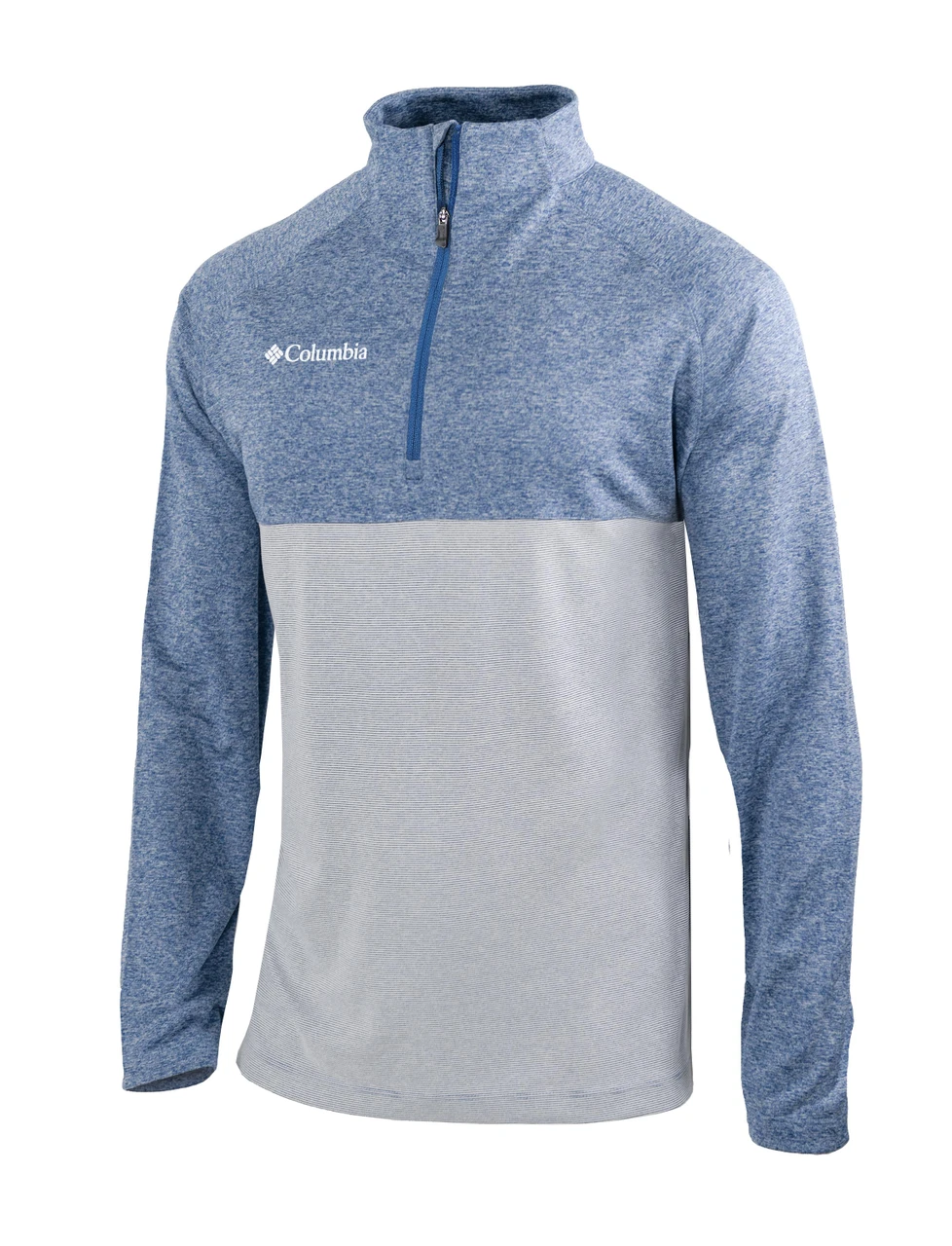
Columbia Omni-Wick Rockin’ It Pullover
Raglan sleeves and a stretch polyester build, so the layer moves with your shoulders instead of stopping them. That is the part worth checking before you start rewriting every yardage.
View Pullover -
Grip
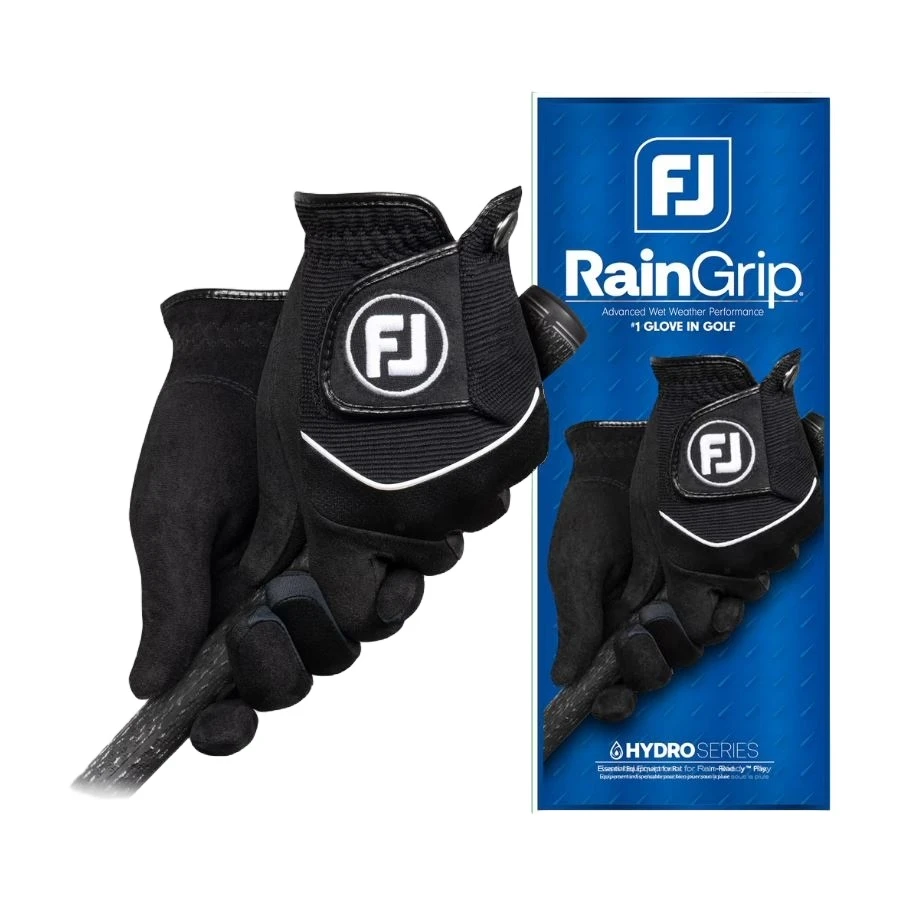
FootJoy RainGrip Gloves
A knit palm built to grip better as it gets wetter, which is the opposite of what a damp leather glove does. Reliable contact is what your carry estimate rests on.
View Gloves -
Traction
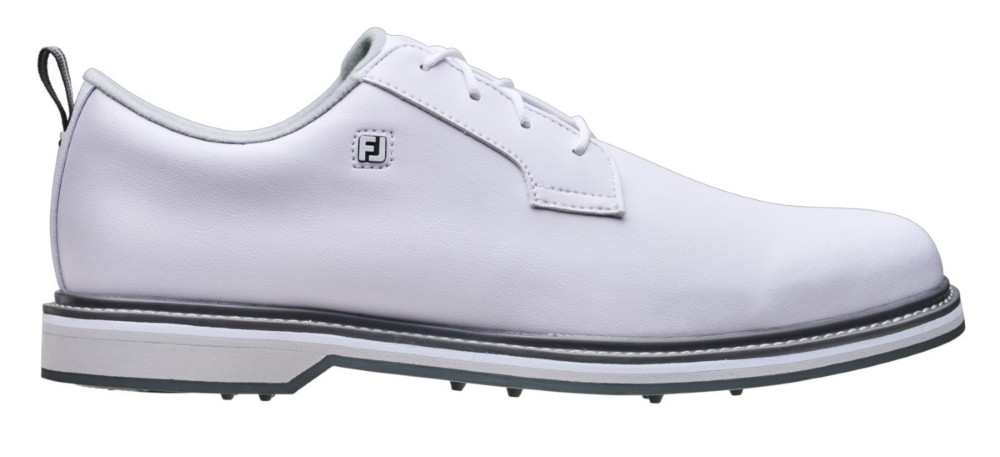
FootJoy Vanguard Golf Shoes
Waterproof upper with Pulsar LP cleats underneath. Soft, wet turf asks more of your footing than a dry summer fairway does, and slipping at impact shows up in your strike first.
View Shoes
A cold forecast is a reason to check your layers, your grip, and your footing. It is not, by itself, a reason to replace your clubs.
Cold-Weather Golf FAQs
Should I take one extra club in cold weather?
Sometimes. Use your observed carry distances and the trouble around the target to decide. A full extra club may be unnecessary on a calm day with little distance loss, while a difficult carry into the wind may require a larger adjustment or a safer route.
Why are my drives shorter when my iron distances seem normal?
Check rollout. Soft fairways can reduce total driving distance without producing an equivalent change in carry. Compare landing points where possible, rather than treating the final resting spot as a measure of flight distance.
Should I swing harder to make up for cold weather?
Start by choosing a club that covers the shot with a comfortable swing. Trying to force extra distance is a poor fallback when the shot already requires reliable contact.
How often should I check my fall golf yardages?
Make a quick check before the round and reassess when conditions change or several solid shots contradict your estimate. Keep separate notes for carry and rollout so you know which part of the shot needs adjusting.
Your summer yardages are a reference. Give today’s shots the deciding vote.

The Takeaway
Cold-weather golf does not require a new swing or a rebuilt distance chart. It requires paying attention to what the ball actually did on the last three holes and being willing to act on it. Check your carry before you trust your memory, account for rollout separately, and choose the club that clears the trouble with a swing you can repeat. Your summer yardages are a reference, not a promise. Give today’s shots the deciding vote.
Danny Kapp — Golf Writer & Editor
Danny Kapp has spent 11 years writing about golf for Rock Bottom Golf, covering equipment, club selection, buying advice, and golf technology. His articles focus on helping everyday golfers understand their options and make more informed equipment decisions.

Last Updated on by Danny Kapp