


Play It As It Lies: Why You Get No Relief From a Fairway Divot
You strike the best drive of your life. It splits the fairway, takes a friendly bounce, and rolls to a stop right in the middle of the short grass. Then you walk up and find it sitting at the bottom of a divot somebody forgot to fill. Welcome to the most frustrating moment in golf, and a perfect lesson in why we “play it as it lies.” That phrase is the oldest idea in the game, and it is the reason you cannot scoop your ball out of that divot and drop it on a fresh patch of grass, no matter how unfair it feels.
The good news is that the rule makes a lot more sense once you understand what it is actually protecting. Let’s break it down.
Key Points
- “Play it as it lies” comes straight from Rule 1.1, the very first rule in the book.
- A divot hole in the fairway is not a recognized condition for free relief, so you play the ball where it sits.
- You do get free relief from cart paths, casual water, ground under repair, and a ball buried in its own pitch-mark.
- Some courses run “preferred lies” (lift, clean, and place) as a temporary local rule, mostly in winter.
- The flip side of the rule is simple courtesy: replace your divots so the next golfer gets a clean lie too.

What “Play It As It Lies” Really Means
Open the USGA Rules of Golf to the very first page and you will find two short instructions that the entire sport is built on: play the course as you find it, and play the ball as it lies. That is Rule 1.1, and it is the heart of the game. You take the course in the condition you happen to find it, good bounces and bad, and you hit the ball from wherever it ends up.
The idea is older than the modern rulebook. Golf was meant to be a test of how you handle whatever the course throws at you, including dumb luck. A gust of wind, a hard bounce off a mound, a ball that finds a divot instead of a perfect lie two feet away. The old-timers even had a phrase for it, “the rub of the green,” which is just the luck of the bounce. The rule keeps everyone honest by making sure nobody gets to improve a lie that the course handed them. You can read the official wording on the USGA’s Rule 1 page.
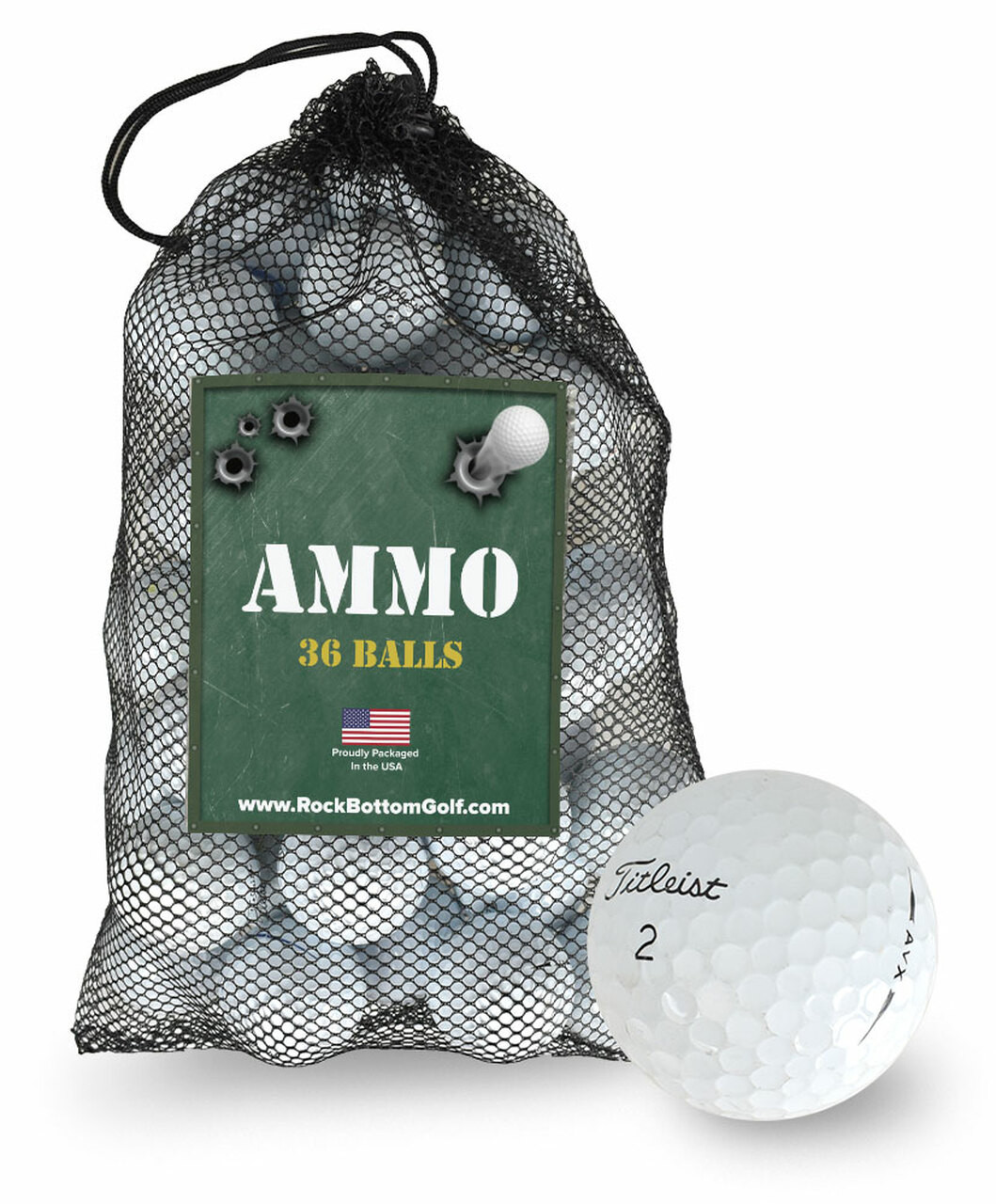
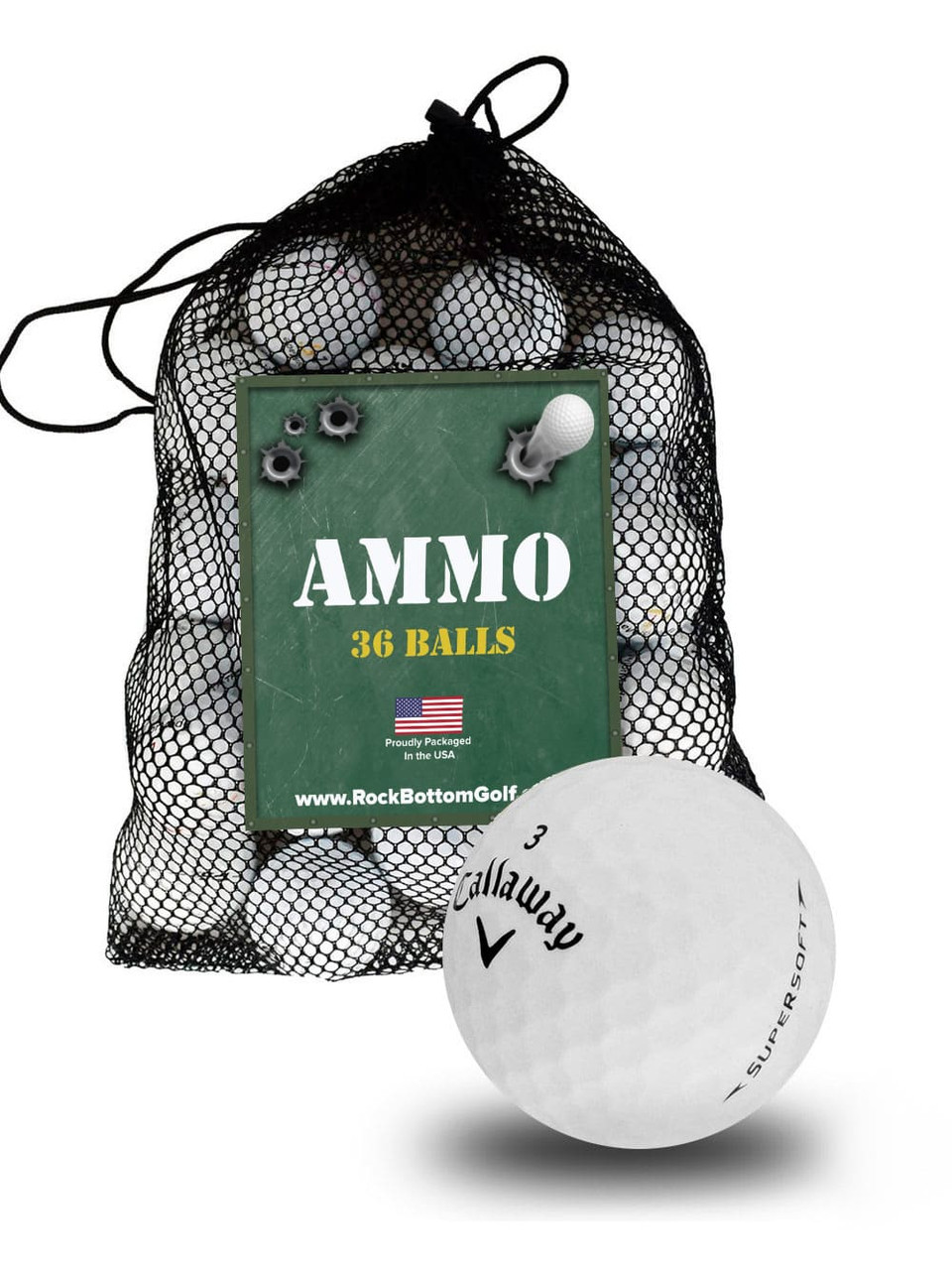
Featured Used Golf Balls At Rock Bottom Golf
Three solid 36-ball ammo bags worth a look, from premium Mint condition down to budget-friendly practice picks.

Why a Divot Does Not Count for Relief
Here is the part that stings. Under the Rules of Golf, certain conditions on the course let you lift your ball and move it without penalty. These are spelled out as things like immovable obstructions (a cart path or a sprinkler head), temporary water, and ground under repair. A divot hole is not on that list. As far as the rules are concerned, a divot is just part of the ground, the same as a bare patch of dirt or a tight lie. There is nothing abnormal about it, so there is no free relief.
It feels unfair because you did everything right and got punished for it. The governing bodies have heard that complaint for years and have consistently chosen to keep the ball in play, partly because “where do we draw the line” gets messy fast. Is a shallow divot different from a deep one? What about an old, half-grown-in divot? Rather than write a hundred special cases, the rules keep it clean: play it as it lies.
To be clear about where you actually do get a break, here are the common situations that earn you free relief:
- Cart paths and other immovable obstructions. If your ball or your stance is on the path, you can take relief at the nearest point of complete relief.
- Casual water (temporary water). Standing water from rain or sprinklers lets you move to a dry spot.
- Ground under repair. Marked GUR or staked areas give you free relief.
- A ball embedded in its own pitch-mark. If your ball plugs into the turf in the general area, you usually get free relief under Rule 16.3. Note that this is a plugged ball, not a ball resting in a divot somebody else made.
See the difference? Every one of those is an outside condition the rules recognize. A divot just is not one of them.
How to Handle a Ball in a Divot
- Confirm it is really a divot. Check that you are not actually in casual water, ground under repair, or embedded in your own pitch-mark, which would give you free relief.
- Take your medicine and adjust. Play the ball where it lies. Put the ball slightly back in your stance and make a steeper, ball-first swing to catch it cleanly.
- Club down if needed. A divot lie kills spin and launch, so expect a lower, runnier shot and pick your target accordingly.
- Check for a local rule first. If the course has “preferred lies” in effect that day, you may be allowed to lift, clean, and place. Confirm before you touch the ball.
Keep one clipped to your hat or tucked in your pocket and you will always be ready to mark up on the green. Here are a few easy picks:


The One Loophole: Preferred Lies
There is a sanctioned way to escape a bad lie, and it is not a loophole you invent on your own. A course Committee can put a temporary local rule in place called “preferred lies.” You may also hear it called “lift, clean, and place” or simply “winter rules.” When it is in effect, you are allowed to lift your ball, clean it, and set it back down within a small area (usually a scorecard length or six inches). Courses use it when the turf is beat up, muddy, or recovering. A divot-strewn fairway is exactly the kind of thing it is meant for.
The catch is that preferred lies only count when the course has officially announced it. You will usually see a notice in the pro shop or on the first tee. If nobody told you it was in effect, it is not, and you are back to playing it as it lies.
Keep Reading
Self-Policing in Golf: Why You Call Penalties on Yourself Playing it as it lies is one half of golf’s honor system. Here is the other half, and why golfers are trusted to penalize themselves. The 14-Club Rule: Why You Can Only Carry 14 Clubs Another “why does this rule even exist” classic. Here is where the 14-club limit came from and what happens if you bring a 15th. How Do Ball Markers Work in Golf? A Beginner’s Guide Once your ball is on the green, the rules change again. A simple guide to marking, lifting, and replacing your ball the right way. How to Start Golfing: A No-Pressure Guide to Your First Season New to the game and the rulebook? Start here for a relaxed walk-through of getting out on the course without the stress.Do the Next Golfer a Favor
Here is the part of Rule 1 that does not get enough love. The same rule that says “play the ball as it lies” also asks players to take good care of the course. That includes replacing your divots, fixing your ball-marks on the green, and smoothing your footprints in the bunkers. It is not a penalty thing for most of us, it is a courtesy thing.
Think about it this way. Every unfilled divot in the fairway is the next golfer’s bad break waiting to happen. And that golfer might be you on the back nine. Filling divots and tapping down ball-marks is the quiet handshake that keeps the whole “play it as it lies” system fair for everybody. You take your bad lies like a champ. And you leave the course a little better for the group behind you.
Frequently Asked Questions
Can you move your golf ball out of a divot?
No. A divot is treated as part of the ground, so there is no free relief. You play the ball as it lies, unless the course has preferred lies in effect that day.
What does “play it as it lies” mean in golf?
It means you play the ball from wherever it comes to rest, without improving the lie, except in the specific situations where the Rules allow relief. It comes from Rule 1.1, the first rule in the book.
When do you get free relief in golf?
You get free relief from immovable obstructions like cart paths, casual water, ground under repair, and a ball embedded in its own pitch-mark. A divot is not one of those conditions.
What are preferred lies?
Preferred lies (also called lift, clean, and place or winter rules) is a temporary local rule a course can adopt that lets you lift, clean, and set your ball down within a small area. It only applies when the course officially announces it.

Final Thought
The next time a perfect drive finds a nasty divot, you can grumble for a second, then remind yourself that the rule cuts both ways. Golf rewards the player who can handle a bad break and still pull off the shot. Play it as it lies, fill the one you make, and tip your cap to the rub of the green.
Writer/Editor: Danny Kapp is a passionate golf enthusiast and a 10-year veteran golf blog writer for Rock Bottom Golf, offering his unique perspective on the game. With a keen eye for detail, he covers various aspects of golf, ranging from technical insights to the latest trends in golf equipment and golf technology.

References
- United States Golf Association (USGA). Rules and Clarifications: Rule 1, The Game, Player Conduct and the Rules.
- United States Golf Association (USGA). Rule 1, The Game, Player Conduct and the Rules.
Last Updated on by Danny Kapp