


How Often Should You Replace Your Golf Driver? Tips to Know When It’s Time to Upgrade
How do you know when it’s time to replace your golf driver?
I’m sure that question has crossed the mind of most golfers when they suspect their driver is starting to show some wear or they suspect their driver is working against them. Fear not! While it is a tough question to answer even for the pros, here is a simple guide and checklist on when you should start considering a replacement driver! We also give you a few alternatives to replacing your driver that you may not have considered. Let’s tee off!
Fore!!
So, What is the Lifespan of a Typical Golf Driver?
Well, as with many questions about golf gear, some of the answer relies on how often you golf and your level of play. For example, are you a weekend golfer, or are you more of a competitive player that gets out on the course more often? Or maybe, you are a golfer that falls between the two?

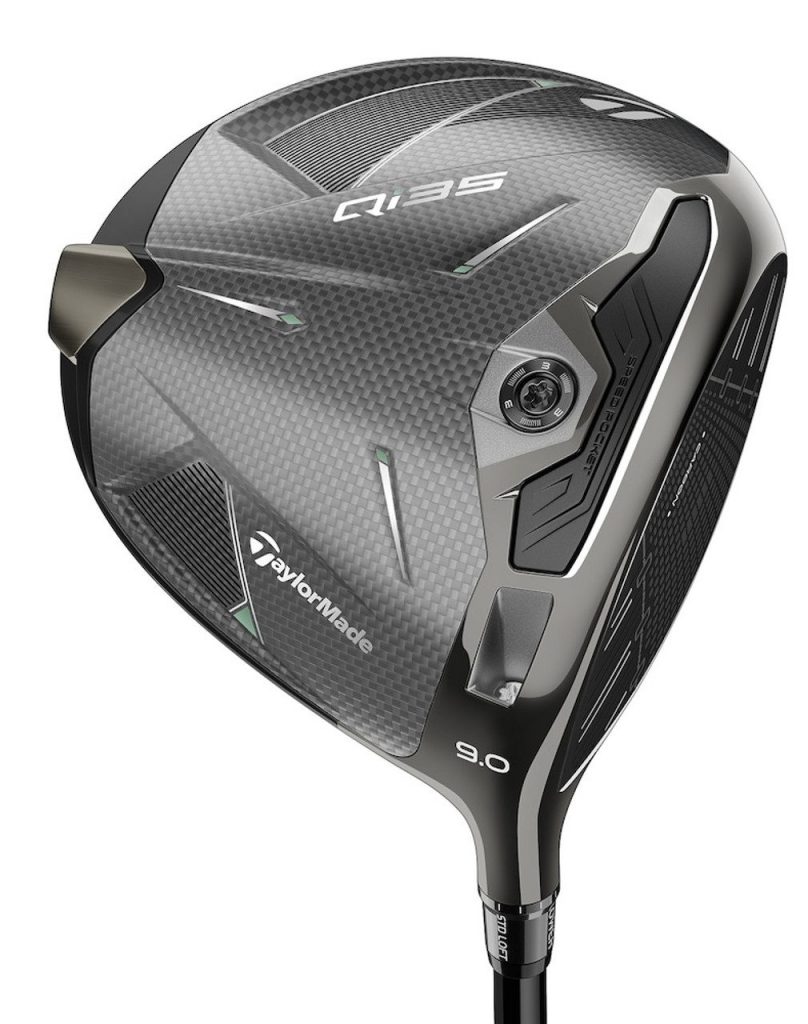
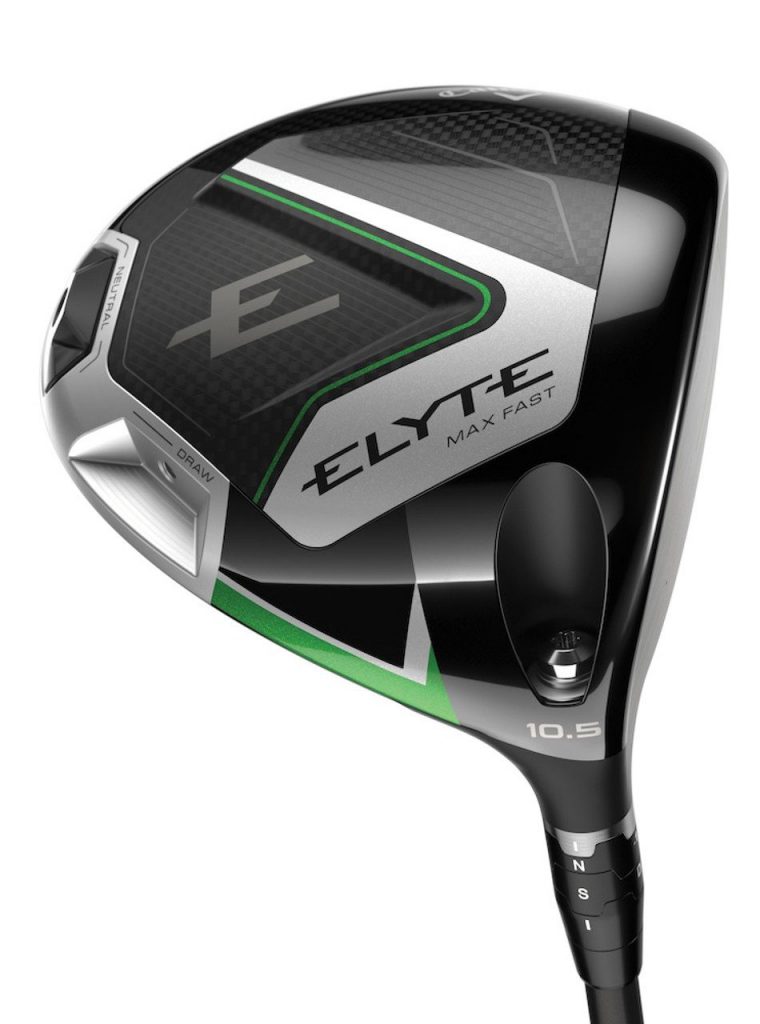
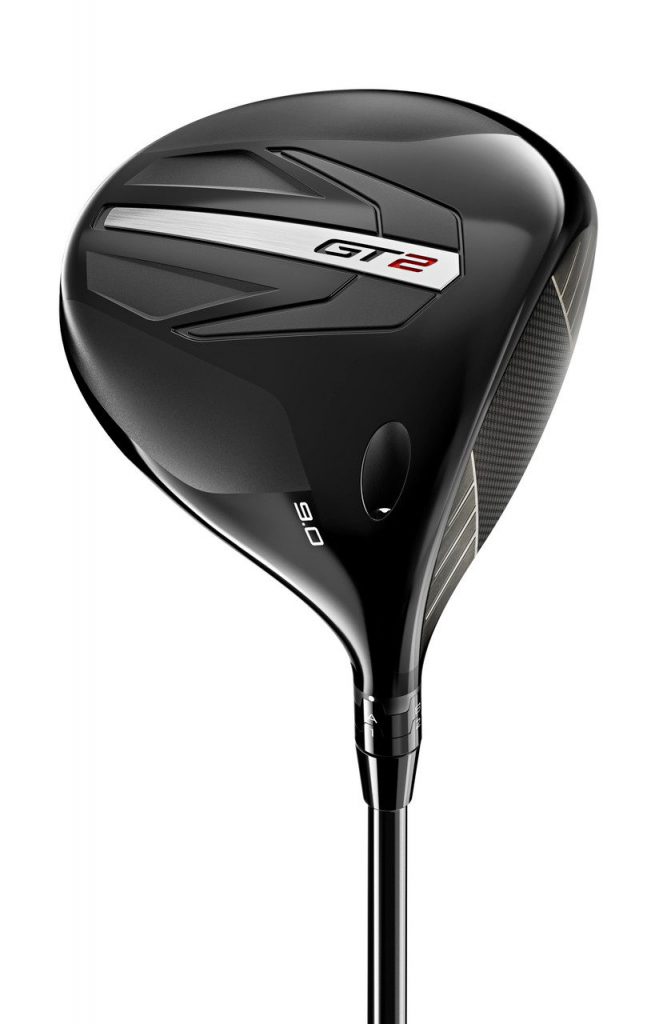
And then there is the question of technology. Club manufactures introduce several new advancements in drivers every 2 – 3 years. So, if you are concerned about keeping up and staying competitive, keeping up with the latest tech developments may be a big deciding factor for you.
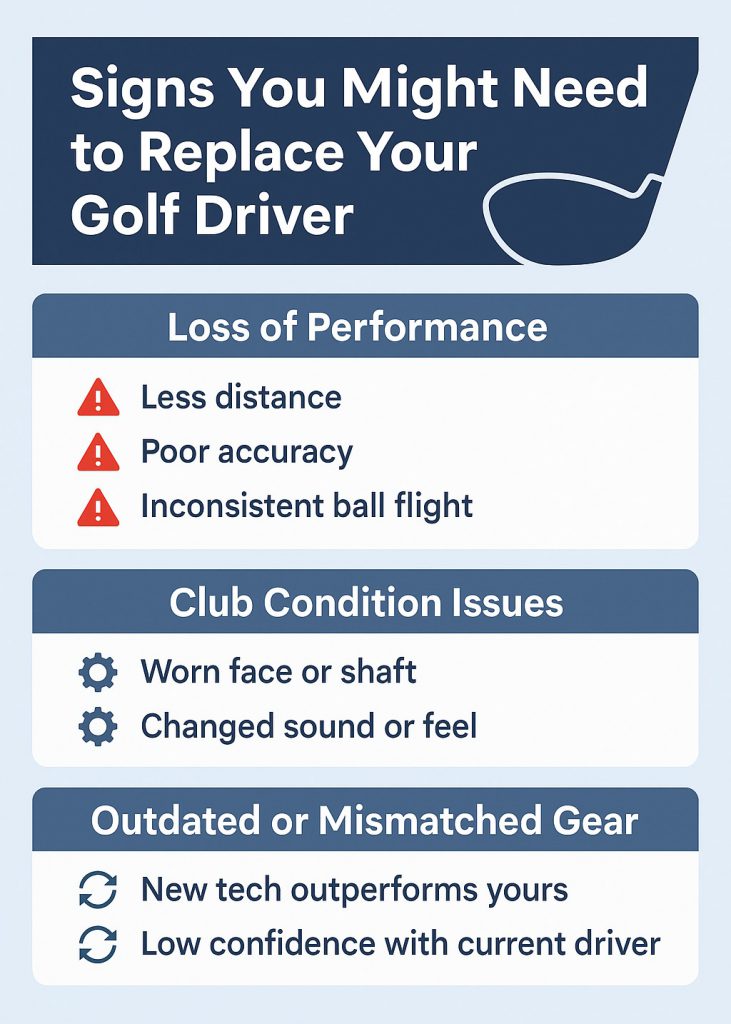
Finally, consider how your current driver is performing. If you’re starting to notice a drop in distance, a change in sound or feel at impact, or if your shot dispersion has widened, it may be a sign that it’s time to replace your driver. Sometimes, it’s not just about age or tech, it’s about whether your driver still gives you the confidence to hit fairways consistently.

Here are a few simple guidelines on the lifespan of a golf driver:
- If you play golf once a week or more, consider replacing your driver every 3 to 5 years.
- Competitive or high-speed swing players may benefit from upgrading every 2 to 3 years.
- If your driver feels inconsistent or you’re losing distance, it may be time for a change.
- Big tech leaps happen about every 2 to 3 years. So, demoing the latest models can be worth it.
- Trust your gut! If your driver doesn’t inspire confidence anymore, that’s a good enough reason.
Paying Attention to the Signs Your Driver Needs Replacing
So how do you actually know when your driver has stopped pulling its weight? Work through the six checks below like a scorecard. Tick every box that sounds like your game, then add up your total at the bottom to see where you stand.
-
Compare your carry distance, not your total
Roll changes with turf, temperature, and wind, so total distance can fool you. Pull carry numbers from a launch monitor at a range bay or fitting session, then compare them to what you used to hit. A drop that holds up across a full bucket tends to mean more than one disappointing drive on the first tee.
- Noticeable drop in carry distance compared to your usual numbers
- Ball flight feels inconsistent or unpredictable
- Accuracy is still a struggle even after swing adjustments
-
Listen for a change in sound and feel
A driver that suddenly sounds duller, harsher, or more hollow than you remember can be telling you something about the face or a loose internal weight. Trust your ears here. Plenty of golfers notice a change in impact sound long before anything shows up on a launch monitor.
- Sound or feel at impact has changed noticeably
- You hear a rattle when you shake the head
-
Inspect the head, face, and crown
Clean the club, then look the face over in good light. Check the grooves and the middle of the face for a worn impact pattern, and run a fingernail across the crown and sole feeling for hairline cracks or dents. A crack anywhere in the head is reason enough to stop playing the club and start shopping.
- Visible wear on the clubface, crown, or sole
- Any crack, dent, or caved area in the head
-
Check the shaft and the grip
Hold the head and gently twist it against the shaft to feel for any movement at the hosel, then look down the full length of the shaft for chips or splintering. Worn grips and a shaft that no longer loads the way it used to can both cost you yards, and both cost far less to fix than a whole new driver.
- Shaft feels loose, cracked, or does not load like it used to
- Grip is slick, hardened, or worn smooth
-
Hit a current model side by side
Book a demo day or a fitting and hit your driver against a current model using the same ball. Compare carry, dispersion, and spin rather than the single longest bomb of the session. If a newer head beats yours across twenty swings, you have real evidence instead of a hunch.
- Newer drivers consistently outperform yours in demo or fitting sessions
- Playing partners with newer equipment regularly outdrive you
- You lack confidence standing over the ball with your current driver
-
Add up your checkmarks
One major red flag on its own, like a cracked shaft or a sudden loss of distance, can be reason enough to replace the club. For everything else, most golfers should look for two or more signs before pulling the trigger. That extra evidence helps rule out temporary causes like a swing change, cold weather, or a couple of rough rounds.
Keep an eye on it. One sign on its own is usually worth watching for a few more rounds before you spend anything.
Time to take it seriously. Look into a replacement, or at least book a fitting to see whether a shaft or loft change can fix it.
You are likely overdue. A current driver tends to give you back both distance and confidence off the tee.
Other Reasons to (or NOT to) Replace Your Driver
Sometimes it’s not about damage or age! It could be about discovering that your current driver may not have been the best match for your swing to begin with.
Go get a professional club fitting. Many golfers are surprised to learn their driver’s loft, shaft flex, or length isn’t ideal for how they actually swing.
But here’s the good news: you may not need to buy a brand-new driver!
Some Alternatives to Replacing Your Driver
Most modern drivers feature adjustable hosels and movable weighting. A qualified fitter can often tweak your current driver’s loft, lie angle, or center of gravity to better suit your swing. And in some cases, simply changing out the shaft or upgrading your grip can completely transform how the club performs, all without the cost of a full replacement.
So, before you start browsing for something new, consider this: a quick fitting might save your swing and your wallet.

Main Takeaway
The decision to replace your golf driver can feel tricky… and expensive! But with a professional fitting and a quick performance checklist, the choice becomes much clearer. And don’t forget, there are often more budget-friendly solutions, like replacing the shaft or adjusting the loft, before investing in a brand-new club.
With the right changes, you’ll stay competitive and enjoy every round a little more.
Writer/Editor: Danny Kapp is a passionate golf enthusiast and a 10-year veteran golf blog writer for Rock Bottom Golf, offering his unique perspective on the game. With a keen eye for detail, he covers various aspects of golf, ranging from technical insights to the latest trends in golf equipment and golf technology.

Last Updated on by Danny Kapp