


Actually, Do Golf Shoes Make A Difference, Or Is It Mostly Marketing?
A couple seasons back, I was standing in a pro shop staring at a pair of flagship golf shoes with a $280 price tag. Right next to them, a spikeless pair for $79 that honestly looked a lot like the sneakers I’d driven over in. And the question that’s been popping up on Reddit lately hit me in the face: do golf shoes make a difference, or is this just another gear category where the marketing is running the show?
The honest answer (and I’m saying this as somebody who’s cycled through a closet’s worth of shoes over the years): yes, golf shoes make a real difference. But the industry absolutely oversells parts of it. Let’s separate what actually helps your game from the stuff brands want you to believe so you’ll cough up an extra $150.

What Golf Shoes Actually Do (The Real Stuff)
Traction is the big one. This is where shoes earn their keep. A proper golf sole, spiked or a good spikeless pattern, keeps your feet planted during the rotational forces of a full swing. Go play 18 in running shoes on a dewy morning and you’ll find out fast why this matters. Slipping through impact is a great way to top balls, flare them right, and walk off the 18th with a sore lower back because your body spent all day compensating.
Stability through the swing. Decent golf shoes resist lateral movement. Your foot wants to slide when you load into your trail side and push off through the ball, and a stiffer midsole plus a supportive upper keep your foot from sloshing around in there. That translates to more consistent contact and, yes, a touch more speed because you’re actually using the ground instead of fighting it.
Comfort over 5 miles of walking. If you walk your rounds, this is the sleeper feature. A round is roughly 4 to 6 miles of uneven ground, often with a bag on your back. Real golf shoes are built with arch support, cushioning, and a footbed designed for exactly that use case. Running shoes will have your feet screaming by hole 14. I’ve done it. Don’t recommend it.
Waterproofing. Morning dew, summer thunderstorms, shoulder-season golf in 45-degree soup. Waterproof golf shoes genuinely save the day. Wet, cold feet for 4 hours is miserable, and it will absolutely make you play worse because all you can think about is the squish in your socks.
More From The Rock Bottom Golf Blog
More gear guides, shoe reviews, and buying tips to help you play your best.
4 Things To Consider When Buying New Golf Shoes
The key factors to weigh before you pull the trigger on a new pair.
The Best FootJoy Golf Shoes
A full breakdown of FJ’s most popular models and who they fit best.
Etonic G-SOK 3.0 Review
On-course review of a comfortable, budget-friendly spikeless shoe.
Top Golf Gift Ideas for Beginners
Essential gear picks for new golfers, including shoes worth starting with.
What’s Mostly Marketing
Now the stuff you can pump the brakes on.
“These shoes will add 5 mph to your swing.” Come on. There’s some real lab science suggesting that more stable shoes help you produce more ground reaction force, and a handful of players might pick up a mile or two of ball speed under testing conditions. In the real world, on real grass, with your real swing? The gains are small enough to get buried under every other variable on the course. Don’t buy shoes expecting to pick up 10 yards off the tee.
Premium leather uppers “for better feel.” Leather is nice. It looks sharp, breaks in well, and can last longer. But your feet are not going to feel the clubface better because your uppers are full-grain leather. That’s a luxury and style feature, not a performance one.
The $250 ceiling. Most mid-price shoes ($80 to $130) do about 90% of what the flagship models do. You’re paying for the logo, the latest tech buzzword, and sometimes cosmetic details. A well-fit mid-priced shoe will outplay a poorly-fit premium shoe every single time.
“Revolutionary new outsole technology.” Every brand drops a “revolutionary” sole every year. Most of them are small tweaks on what already works. Unless you’re coming from a worn-out pair, you’re not going to feel a big difference between last year’s model and this year’s.
So, Do Golf Shoes Make a Difference? Here’s The Verdict
For the vast majority of golfers, yes. Especially if you:
- Walk your rounds
- Play early mornings or in wet conditions
- Play hilly or sloped courses
- Have a faster swing and want to push off the ground with confidence
You can chill if you:
- Only hit range balls and never play a real course
- Always ride a cart on dry, flat layouts
- Play once a year at the company scramble (sneakers, honestly, are fine)
Shop Our Top Golf Shoe Picks
A mix of spiked and spikeless shoes worth a look, all at Rock Bottom prices.
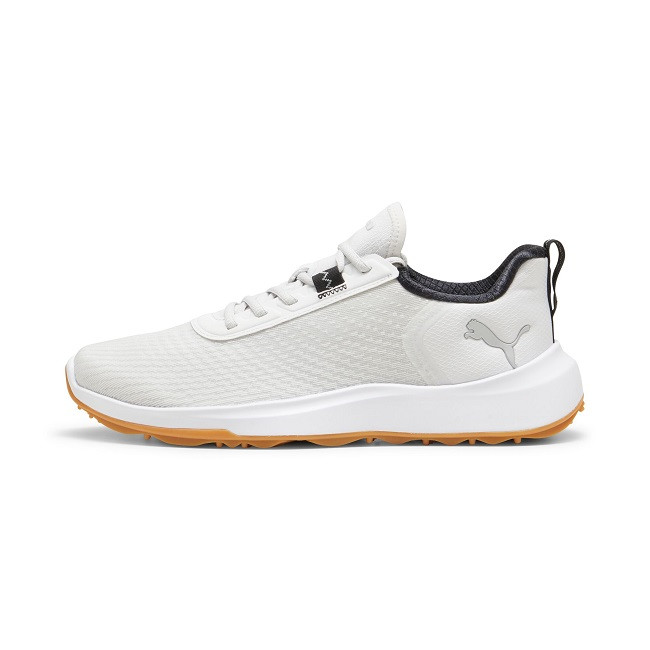
Fusion Crush Sport Shoes
Athletic, sporty styling with dependable comfort and grip for everyday rounds.
Shop Now →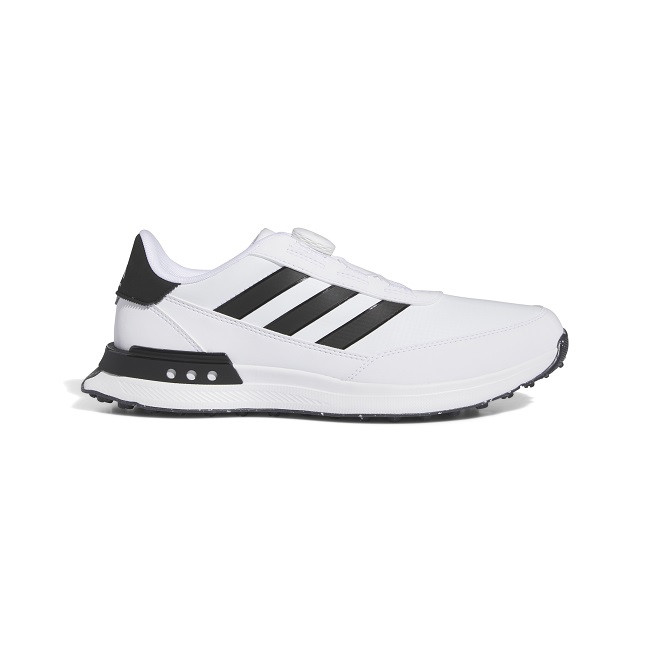
S2G BOA Spikeless Shoes
Spikeless versatility with precision BOA lacing for a dialed-in, secure fit.
Shop Now →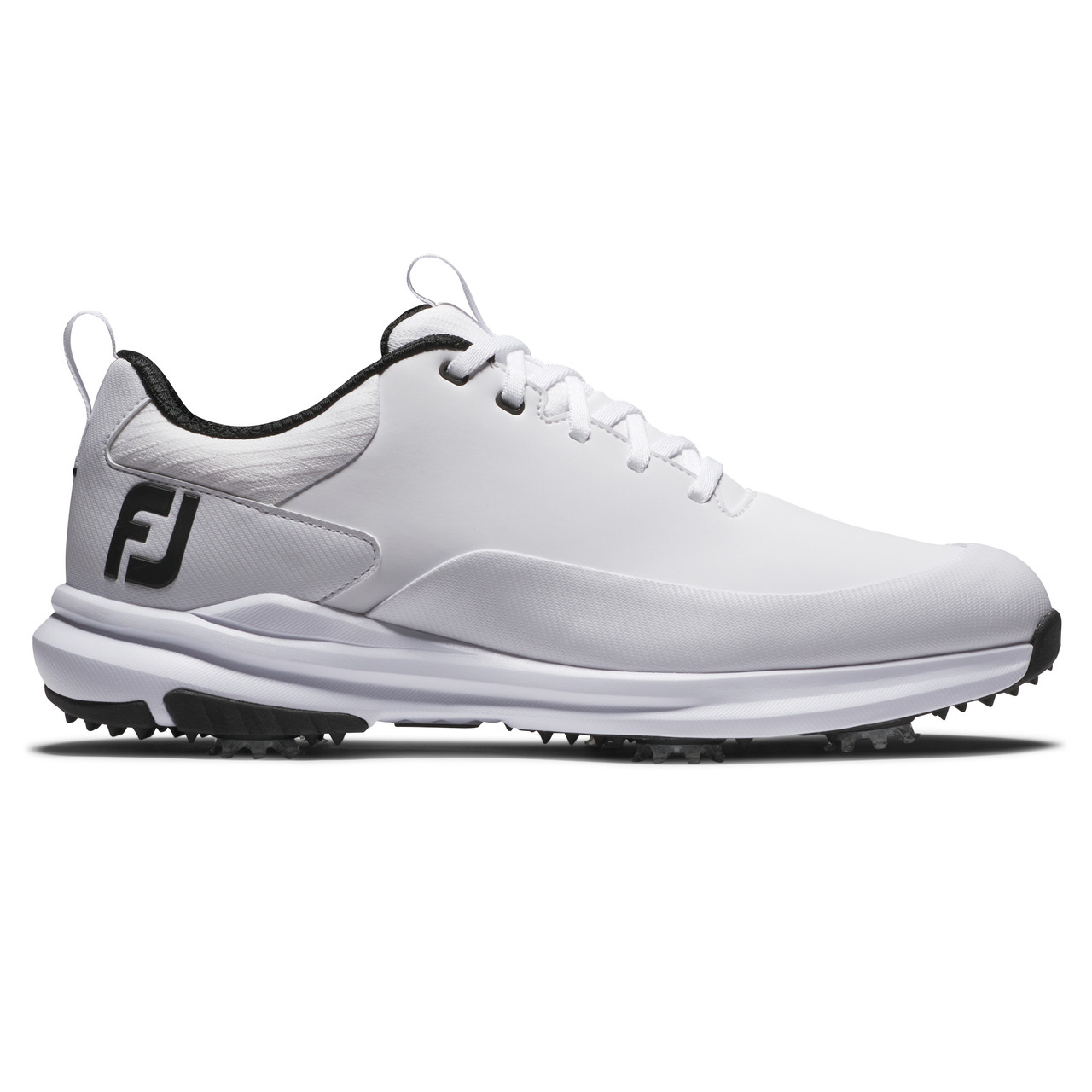
FJ Tour Rival Shoes
Tour-inspired performance with FJ’s legendary fit, stability, and traction.
Shop Now →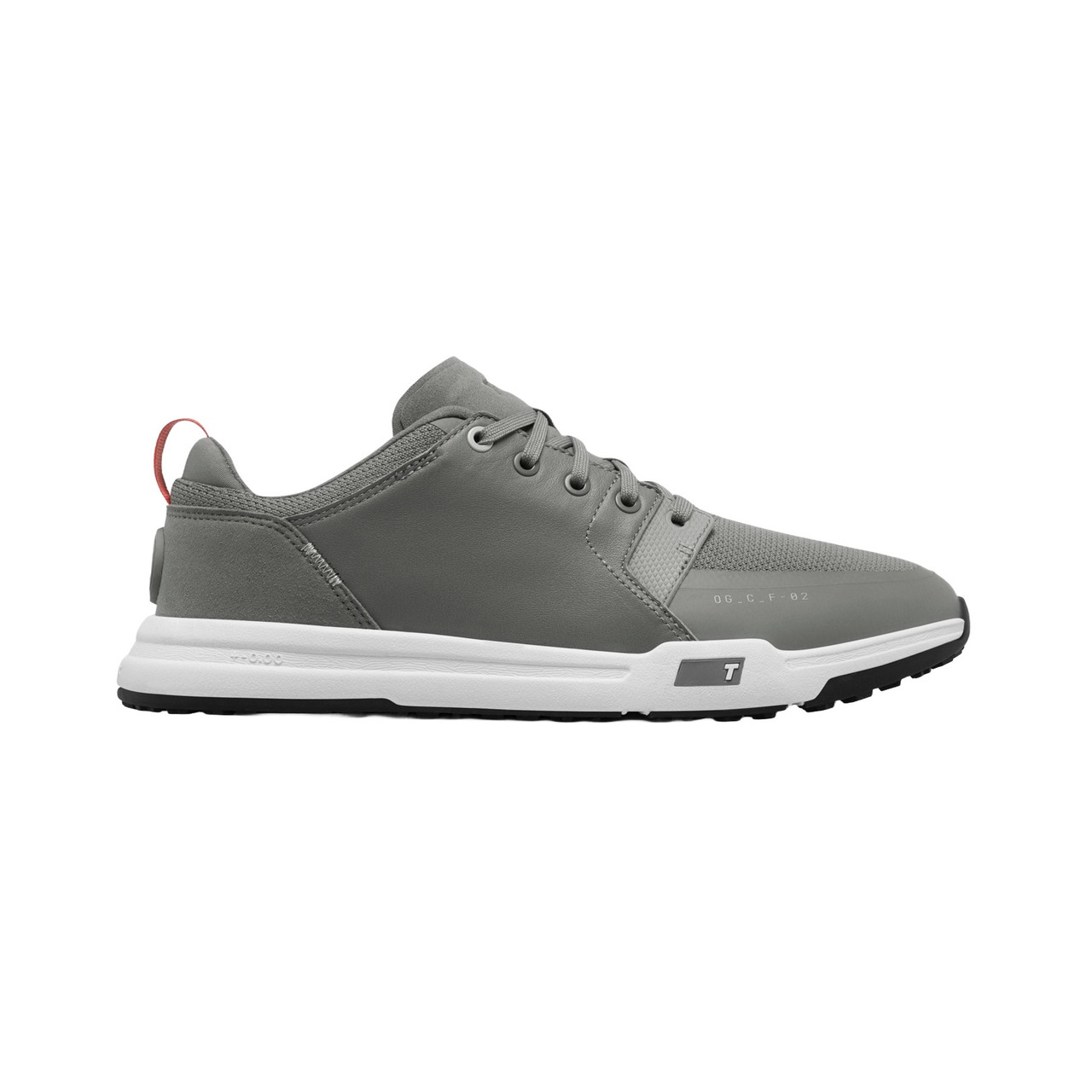
True OG Cush Spikeless Shoes
Barefoot-style zero-drop feel with all-day cushioning, ideal for walkers.
Shop Now →Spiked vs. Spikeless: Quick Take
Spiked shoes grip better, period. If you play in wet weather, walk a lot, or swing hard, they’re the safer pick. They’ve come a long way too, modern soft spikes are way more comfortable than the metal daggers of 20 years ago.
Spikeless shoes have closed the gap in a huge way. The best modern spikeless options (PAYNTR, ECCO, Puma, FootJoy, and others) perform close to spiked in normal conditions and are way more versatile. You can wear them to the course, through the clubhouse, and straight to dinner after. For a lot of casual and mid-handicap players, spikeless is the sweet spot.
The Real Buying Advice
Here’s what I tell anyone who asks. Fit comes first, always. A perfectly fit $90 shoe will crush a poorly fit $230 shoe every time. Beyond that:
- Decide if you walk or ride. Walkers, prioritize cushioning and support. Riders can get away with lighter, less structured shoes.
- Match the shoe to your climate. Wet climate, get waterproof. Hot climate, look for mesh and breathability.
- Don’t chase logos. Brands like Etonic, New Balance, Skechers, and other less flashy names make excellent shoes at fair prices, and you can find them at Rock Bottom prices right here on the site.
- Replace when the traction is gone. Worn-out spikes or flattened spikeless lugs are the same as bald tires. That’s when your shoes actually stop doing their job.
Ready to shop? Check out the Golf Shoes page or hit the Clearance section for deals on last year’s models that perform just as well as the new stuff.
Frequently Asked Questions
Quick answers to the most common golf shoe questions.
Do I really need golf-specific shoes as a beginner?
Not immediately. If you’re mostly at the range or just dipping a toe in, normal athletic shoes are fine. Once you’re playing actual rounds on real courses, a proper pair pays off fast.
How long do golf shoes last?
Depends on how often you play. A weekly player can get 2 to 3 seasons out of a good pair. Replace spikes on spiked models every 20 to 25 rounds or when they start looking worn down.
Are expensive golf shoes actually more durable?
Usually, yes. Better materials hold up longer. But “more durable” doesn’t always mean “better for your game.” A softer, cheaper shoe that fits you well might still be the smarter buy.
Spiked or spikeless golf shoes for a beginner?
Spikeless. They’re more comfortable, more versatile, and the traction is plenty for a beginner swing. You can always upgrade to spiked later if you want more grip.
Will new golf shoes actually make me hit the ball farther?
Realistically, no. Not in any meaningful way. Shoes help you stay stable and transfer energy properly, which CAN help you make better contact. Better contact is what gains distance, not the shoes themselves. Don’t let the marketing tell you otherwise.
Bottom Line
Golf shoes are legit gear. The traction, stability, comfort, and waterproofing are real, measurable benefits that help you play better and feel better at the end of a round. What’s NOT real is most of the “unlock hidden distance” marketing that shows up around every spring release.
Find shoes that fit, match them to your conditions, don’t spend more than you need to, and replace them when the traction goes. That’s the whole playbook.
Writer/Editor: Danny Kapp is a passionate golf enthusiast and a 10-year veteran golf blog writer for Rock Bottom Golf, offering his unique perspective on the game. With a keen eye for detail, he covers various aspects of golf, ranging from technical insights to the latest trends in golf equipment and golf technology.

Last Updated on by Danny Kapp