


What Shaft Flex Should I Use? A Practical Guide on Shaft Flex by Swing Speed
If you’ve ever stood in a golf shop staring at a wall of shafts labeled L, A, R, S, and X and had absolutely no idea which one applied to you, you’re not alone. Understanding shaft flex by swing speed is one of the most practical things you can do for your game, but it’s also one of those topics that sounds way more complicated than it needs to be. Get it wrong and it can quietly wreck your ball flight, consistency, and distance without you ever knowing why.
Let’s break it down in plain English.

What Is Shaft Flex, Exactly?
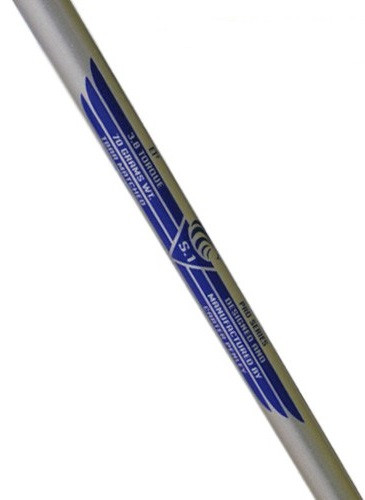
Shaft flex refers to how much a golf club shaft bends during your swing. When you swing a club, the shaft actually loads (bends back) on the downswing and then releases (snaps forward) through impact. The amount of flex in the shaft directly affects where the clubface is pointing at the moment of contact, which means it affects your distance, accuracy, and trajectory.
Too stiff a shaft and the face won’t close in time, leading to weak, right-leaning shots. Too flexible and the face closes too early, sending the ball left with a lower, hooky flight. The goal is to match your shaft flex to your swing so that everything times up correctly at impact.


The 5 Shaft Flex Categories
Shaft flex isn’t one-size-fits-all. There are five main categories:
- L (Ladies) — Designed for slower swing speeds, typically under 60 mph. Offers the most flex for maximum energy transfer at lower speeds.
- A (Senior/Amateur) — Sometimes called “Senior” flex. A step up from Ladies, built for swing speeds in the 60–75 mph range.
- R (Regular) — The most common flex. Best for average recreational golfers swinging in the 75–95 mph range.
- S (Stiff) — For stronger, faster swingers in the 95–110 mph range. Less bend means more control at higher speeds.
- X (Extra Stiff) — Tour-level flex for swing speeds above 110 mph. Very little give, demands a fast, aggressive swing to load properly.

Shaft Flex by Swing Speed: The Reference Chart
Here’s the quick-reference breakdown. These numbers refer to driver swing speed, the most common measuring stick used by club fitters:
| Driver Swing Speed | Recommended Flex |
|---|---|
| Under 60 mph | Ladies (L) |
| 60–75 mph | Senior (A) |
| 75–85 mph | Regular (R) |
| 85–95 mph | Regular or Stiff |
| 95–110 mph | Stiff (S) |
| 110+ mph | Extra Stiff (X) |
Don’t know your swing speed? You can find out at most golf retailers using a launch monitor, or you can estimate it based on carry distance with your driver:
| Driver Carry Distance | Estimated Swing Speed | Suggested Flex |
|---|---|---|
| Under 180 yards | Under 72 mph | Ladies or Senior |
| 180–200 yards | 72–83 mph | Regular |
| 200–240 yards | 84–96 mph | Regular or Stiff |
| 240–260 yards | 97–104 mph | Stiff |
| 260+ yards | 105+ mph | Stiff or X |
Keep in mind these are guidelines, not gospel. They give you a solid starting point.
Stop Guessing: How to Find the Perfect Driver Shaft
A deep dive into matching your unique tempo, transition, and weight preferences to the right shaft profile.
When is it Time to Replace Your Golf Driver?
Is it the swing or the tech? Learn the 4 clear signs that your current driver is actually holding your game back.
Swing Speed Isn’t the Whole Story
Here’s where things get a little more nuanced: two golfers with identical swing speeds can actually play better with different flexes. Why? A few reasons:
Swing Tempo A smooth, slow-tempo swing generates less shaft load than a quick, aggressive one, even at the same speed. If you have a fast, punchy tempo, you may benefit from a stiffer flex than your swing speed alone would suggest. Conversely, a silky-smooth tempo player might do better with slightly more flex.
Ball Flight Tendencies Your current miss can be a huge clue. If you tend to slice or hit the ball high and weak, you might be playing too stiff. If you hook or hit low, screaming line drives, you might be too flexible. More on this below.
Feel Preference Some golfers just prefer the feel of a softer or firmer shaft. If you feel like you’re muscling the ball and the shaft feels boardy at impact, that’s feedback worth paying attention to.
- Low Kick Point Bends near the clubhead. This helps “flip” the ball into the air, creating a Higher Launch. Ideal for players who struggle to get the ball airborne.
- Mid Kick Point Bends in the center. Offers a Medium Launch and is the most versatile “standard” feel for the majority of golfers.
- High Kick Point Bends near the grip. This produces a Lower, Piercing Flight with less spin. Preferred by high-speed players who want to keep the ball out of the wind.
Signs Your Shaft Flex Is Wrong
Not sure if your current clubs fit your swing? These are the telltale signs:
Signs you need more flex (shaft is too stiff):
- Consistently slicing or fading the ball
- Ball flight is too low
- You feel like you’re working hard just to hit it solid
- Loss of distance despite good contact
Signs you need less flex (shaft is too flexible):
- Hooking or drawing too aggressively
- Ball flight is too high or balloony
- Inconsistent shot shape, sometimes a pull, sometimes a hook
- The shaft feels “whippy” and hard to control
If several of these match your game, it might not be your swing that needs the work, it might be your equipment.
Should You Get Fitted or Buy Off the Rack?
The honest answer: a proper fitting is always going to give you the best result. A certified clubfitter can measure your actual swing speed and tempo with a launch monitor, watch your ball flight in real time, and find the shaft that produces the best numbers for your swing specifically, not a chart estimate.
That said, if you’re a casual player or working with a budget, buying off the rack using the swing speed chart above will get you in the right ballpark. The chart-based approach works especially well for golfers in the middle of the flex ranges (solid Regular or Stiff players). Where it gets trickier is in the gray zones, like if you’re right on the border between Regular and Stiff, and that’s where a fitting really pays for itself.
A few practical tips if you’re buying without a fitting:
- When in doubt, go Regular. Most recreational golfers overestimate their swing speed and end up gaming a shaft that’s too stiff.
- Buy from a retailer with a golf club performance guarantee. Rock Bottom Golf’s selection means you can often find the same head in multiple flex options, worth knowing before you commit.
- Hit before you buy if possible. Many courses and retailers have demo clubs. Even a few swings with a launch monitor will tell you a lot.

The Bottom Line
Shaft flex isn’t just a number on a spec sheet, it’s one of the most impactful equipment variables in your bag, and it’s one that many recreational golfers have never actually dialed in. If your ball flight feels inconsistent, your distances aren’t matching your effort, or your miss is always in the same direction, your shaft flex is worth a hard look.
Start with your swing speed, cross-reference the chart above, and pay attention to your ball flight. If things still feel off after that, it might be time to book a fitting and let the numbers sort it out.
You might be surprised what a shaft change can do for your game, without changing a single thing about your swing.
Looking for new clubs with the right shaft flex for your swing? Browse Rock Bottom Golf’s full selection of drivers, irons, and more, with options across every flex category at prices that won’t make you cringe.
Writer/Editor: Danny Kapp is a passionate golf enthusiast and a 10-year veteran golf blog writer for Rock Bottom Golf, offering his unique perspective on the game. With a keen eye for detail, he covers various aspects of golf, ranging from technical insights to the latest trends in golf equipment and golf technology.