


How to Start Golfing This Spring: A No-Pressure Guide to Your First Season on the Course
Spring is here. The days are getting longer, the weather is finally cooperating, and golf courses everywhere are shaking off the winter dormancy. If you’ve been wondering how to start golfing (or how to get back into it after years away), this is your moment.
But here’s the problem: golf can feel intimidating from the outside looking in. There’s the gear, the etiquette, the lingo, the cost, and the nagging feeling that everyone on the course is going to judge you for being new. It’s enough to keep a lot of would-be golfers stuck on the couch watching The Masters instead of actually playing.
So let’s fix that. This isn’t a swing tutorial or a club-fitting deep dive. This is your practical, no-pressure roadmap for getting out on an actual golf course this spring, even if you’ve never held a club in your life.

You Don’t Need to “Get Good” Before You Start Golfing
This is the single biggest misconception that keeps beginners from ever stepping onto a course. The idea that you need to spend weeks or months at the driving range before you’re “ready” to play a real round? It’s just not true.
Here’s a secret that experienced golfers won’t always tell you: most of them aren’t that good either. The average male golfer shoots around 100 for 18 holes, and the average female golfer shoots around 108. That’s a long way from par. The vast majority of people on any public golf course on a Saturday morning are out there hacking it around, losing balls, and having a great time doing it.
You don’t need a pretty swing or to break 100. You just need to be able to move the ball forward, keep a reasonable pace, and enjoy the walk. Everything else comes with time.
If you want a little confidence boost before your first round, hit the range two or three times. Focus on making contact with the ball, not on distance or technique. That’s enough. You’re ready.

Pick the Right Course (This Matters More Than You Think)
Not all golf courses are created equal, and where you choose to play your first few rounds can make or break your early experience. Here’s what to look for.
Start with a municipal or public course. These are typically more relaxed, more affordable, and more welcoming to beginners. Private clubs and upscale resort courses can be beautiful, but they also tend to come with stricter dress codes, faster pace expectations, and a general vibe that isn’t always beginner-friendly.
Look for executive courses or par-3 courses. These are shorter layouts where most holes are par 3s (meaning shorter distances). A full 18-hole championship course can stretch well beyond 6,000 yards, which is a lot when you’re still figuring out how to get the ball airborne. A par-3 course might top out at 150 yards per hole, which is far less intimidating and plays much faster.
Consider starting with 9 holes instead of 18. A full 18-hole round can take four to five hours. That’s a big commitment for someone who’s not sure they even like the game yet. Many courses let you play just the front 9, which cuts your time (and your frustration) roughly in half. It’s also significantly cheaper.
Call ahead and ask questions. This sounds obvious, but a quick phone call can tell you a lot. Ask about their pace of play expectations, whether they have any beginner-friendly tee times, and if they rent clubs. The staff at most public courses are happy to help new players feel welcome.
Keep Reading
More From the Blog
Picked these just for new and returning golfers.
The Gear Question: What You Actually Need
Golf marketing would have you believe that you need $2,000 worth of equipment to get started. You don’t. Not even close.
Borrow or rent clubs for your first few rounds
Most courses rent full sets for $20 to $40. This is the smartest move for a true beginner because it lets you figure out whether you enjoy the game before you invest anything. If a friend offers to lend you their old set, even better.
If you want to buy, go used
A quality used set from a few years ago will play just as well for a beginner as anything brand new off the shelf. You can find complete starter sets (bag, irons, a driver, a putter) for well under $200 if you know where to look. Check local pro shops, thrift stores, online resale marketplaces, or golf-specific retailers that carry pre-owned gear.
You don’t need 14 clubs
The rules allow a maximum of 14, but nobody says you have to carry that many. For your first season, you could get by with a driver, a 7-iron, a pitching wedge, a sand wedge, and a putter. That’s five clubs. You can add to the bag as you learn what shots you actually need.
Buy cheap golf balls
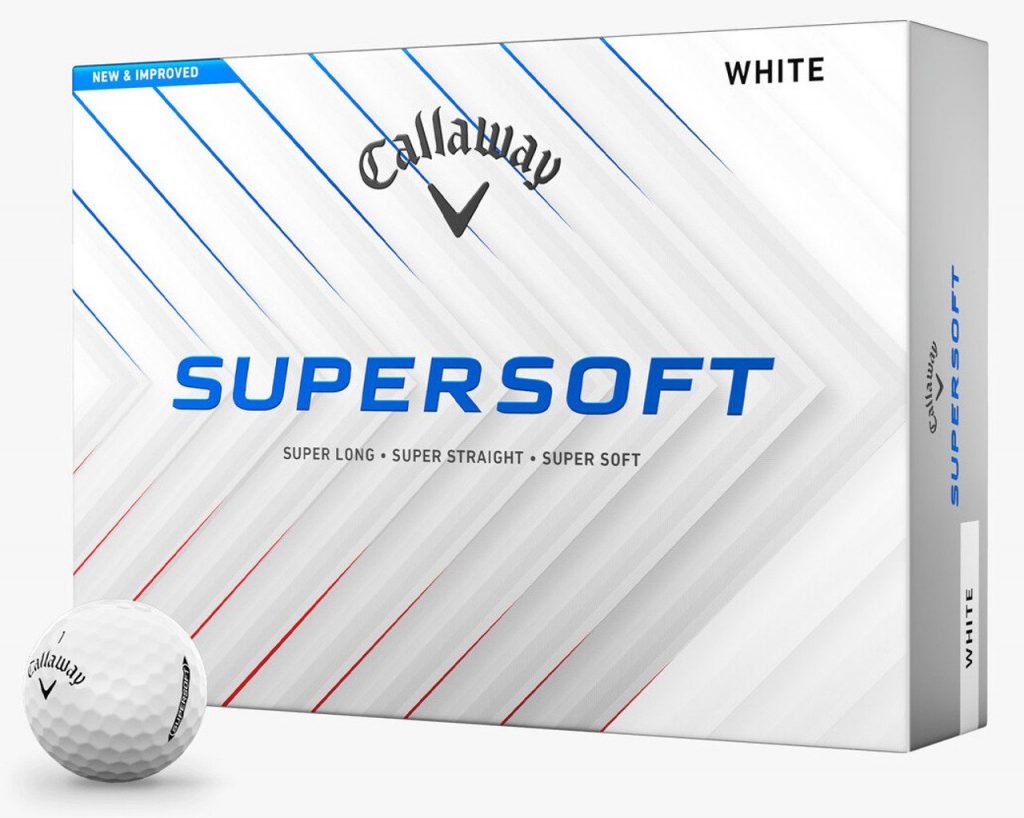
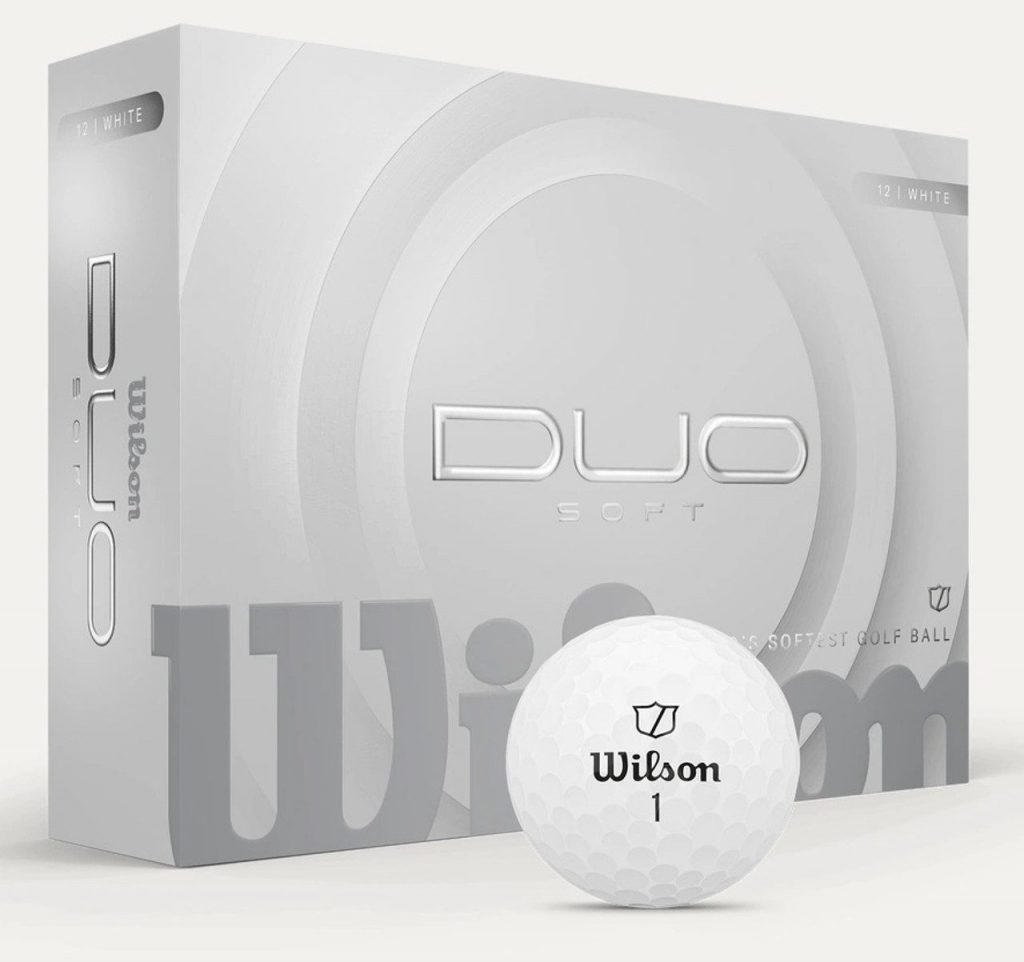
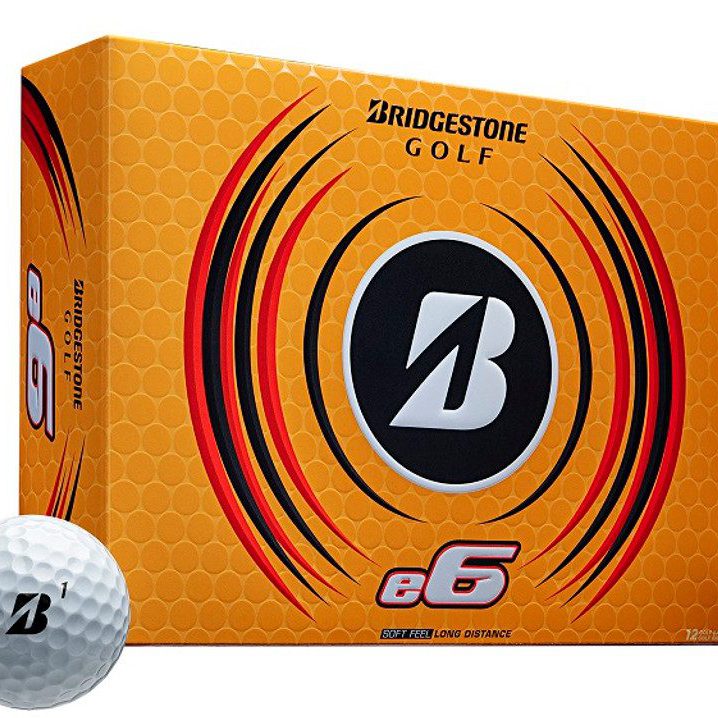
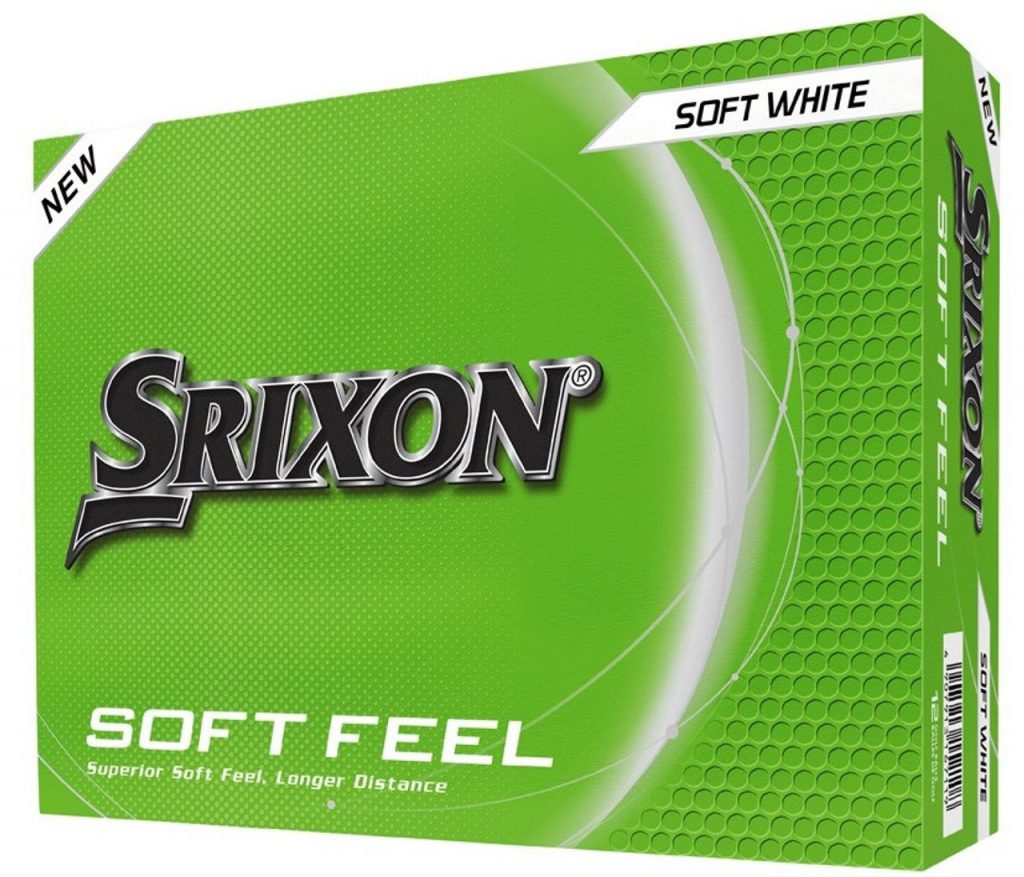
You are going to lose golf balls. Probably a lot of them. This is normal and not a reflection of your ability (or lack thereof). Grab a box of budget-friendly balls and don’t think twice when one disappears into the woods or a pond. Premium balls offer advantages that only matter once your swing is consistent enough to notice the difference.
Don’t forget the basics
Tees, a glove for your lead hand, sunscreen, a water bottle, and a towel. That’s the whole checklist. A hat or sunglasses are nice too, since you’ll be outside for a few hours.
Spring Is Actually the Best Time to Start
There are practical reasons why spring is the ideal season for a new golfer, beyond the obvious fact that the weather is nice.
Courses are in transition. Early spring means the greens and fairways are still waking up from winter. They’re often softer, which is actually a good thing for beginners. A soft fairway is more forgiving than a baked-out summer one, and soft greens help the ball stop instead of rolling off the back.
It’s not peak season yet. In most parts of the country, the really busy weekends don’t hit until late May and June. That means courses are a little less crowded right now, tee times are easier to get, and the pace of play tends to be more relaxed. Less pressure, more room to breathe.
The weather is comfortable. Summer golf means heat, humidity, and sunburn. Fall golf means early sunsets and unpredictable weather. Spring gives you mild temperatures, long daylight, and conditions that make spending four hours outside actually pleasant.
You’ll be course-ready by summer. If you start now and play a round or two per month through spring, you’ll have a solid foundation by the time your friends start organizing summer golf outings. You won’t be the person scrambling to learn the basics the morning of.
How to Find People to Play With
Golf is more fun with other people, but finding playing partners when you’re new can feel tricky. Here are some low-pressure ways to get connected.
Just ask. You probably know more golfers than you think. Mention to coworkers, neighbors, or friends that you’re thinking about getting into golf. Golfers love bringing new people into the game, and most will jump at the chance to show you the ropes.
Book a tee time as a single or a twosome. Most courses will pair you with other golfers to fill out a foursome. This sounds terrifying, but it’s actually one of the best ways to meet people and learn the game. Most golfers are friendly and patient with beginners, especially if you’re upfront about being new.
Look for beginner leagues or clinics. Many municipal courses and golf facilities run beginner programs in the spring, sometimes called “Get Golf Ready” clinics or introductory leagues. These are specifically designed for new players and are a fantastic way to learn in a group setting where everyone is at the same level.
Try a scramble or charity event. Scramble-format tournaments are team events where everyone hits from the best shot. This takes the pressure off individual performance completely. You could hit the worst shot of your life on every hole and it wouldn’t matter because your team plays from whoever hit it best. These events are social, casual, and a great introduction to competitive golf without the stress.

Managing Your Expectations (And Your Frustration)
Let’s be real for a minute: your first few rounds of golf are probably going to be rough. You’re going to top the ball along the ground, whiff completely a few times, lose balls in places you didn’t know balls could go, and wonder why anyone voluntarily does this to themselves.
That’s all completely normal. Every single golfer on every course went through exactly this.
Don’t keep score your first few rounds. Seriously. Put the scorecard away. Your only job in the beginning is to learn the flow of the game, get comfortable on the course, and have some fun. Scoring comes later.
Set small goals instead. Try to make one solid contact per hole, get up and down from a greenside bunker just once during the round, and to two-putt a green. These little victories add up and keep you motivated way more than staring at a scorecard full of 8s and 9s.
Pick up your ball when you need to. If you’ve hacked at it six or seven times on a single hole and you’re falling behind the group in front of you, just pick up your ball and move to the next hole. Nobody is going to care. Keeping pace matters more than finishing every hole, and walking away from a bad hole is better than letting it ruin your afternoon.
Laugh at yourself. This is maybe the most important piece of advice in this entire post. Golf is inherently ridiculous. You’re trying to hit a tiny ball with a metal stick into a tiny hole hundreds of yards away, across ponds, through trees, over sand pits. It’s absurd. The golfers who enjoy the game the most are the ones who can laugh when things go sideways, and things will go sideways.

A Quick Note on Etiquette
We’re not going to do a full etiquette deep dive here (we’ve got a whole post on that called The Stuff Nobody Tells You Before Your First Round of Golf), but here are the three essentials that will keep you in everyone’s good graces.
Keep up with the group ahead of you. This is the golden rule. You don’t need to rush, but pay attention to your position on the course relative to the group in front. If there’s a gap growing, pick up the pace. Ready golf (hitting when you’re ready rather than strictly following “farthest from the hole goes first”) is your best friend here.
Repair your damage. Fix your ball marks on the green, fill in your divots on the fairway, and rake the bunker after you hit out of it. This takes seconds and makes a huge difference for everyone playing behind you.
Be quiet and still when someone else is hitting. Don’t talk during someone’s backswing, don’t walk through their line on the green, and don’t stand directly behind them. These are simple courtesies that go a long way.
That’s it. Follow those three and you’re golden.
Beginner FAQ
Common Questions About How to Start Golfing
Quick answers to the stuff new golfers search for most.
Your Spring Action Plan
Alright, you’ve read the guide. Now here’s the part where you actually do something about it.
This week: Find a local driving range and hit a bucket of balls. Don’t worry about form. Just get comfortable making contact.
Next week: Call a local public or municipal course. Ask about their rates, whether they rent clubs, and if they have any beginner-friendly tee times or programs.
Within the next two weeks: Book a tee time. Nine holes. A public course. Rent clubs if you need to. Bring a friend if you can, or book as a single and meet someone new.
By the end of April: Play your second round. You’ll be amazed at how much more comfortable you feel just one round in.
The hardest part of getting into golf isn’t the swing, the gear, or the rules. It’s just getting out there for the first time. Everything after that gets easier.
Spring is here. The courses are open. There’s a tee time out there with your name on it.
Go get it!
Writer/Editor: Danny Kapp is a passionate golf enthusiast and a 10-year veteran golf blog writer for Rock Bottom Golf, offering his unique perspective on the game. With a keen eye for detail, he covers various aspects of golf, ranging from technical insights to the latest trends in golf equipment and golf technology.