


Flying Solo: How to Plan a Budget Solo Golf Trip (And Why You Should)
Let’s be honest: trying to coordinate a foursome for a weekend getaway is like trying to herd cats. You send the dates, and the group chat goes silent while flight prices keep climbing. If you’re tired of waiting on your buddies to commit, it’s time to take matters into your own hands and learn how to plan a budget solo golf trip that gets you on the tee box without the hassle.

The “Me-Time” Major: Why Go It Alone?
Before getting into the logistics, it helps to know why a solo trip is worth the effort.
The “Micro-Trip” Strategy: You don’t need a whole week off. Because you don’t have to coordinate schedules, you can pull off a quick strike mission: drive a few hours on Friday, play 36 holes on Saturday, and be home for dinner on Sunday.
Zero Compromise: Want to play the local muni instead of the expensive resort course? Do it. Want to squeeze in 27 holes or loop the same nine twice? Nobody is stopping you. You are the captain of this ship.
Active Meditation: There is a “quiet luxury” to walking a fairway alone. It’s just you, the grass, and the swing. For many golfers, that focused, unplugged time on the course is one of the best mental resets you can buy.
You don’t need a pro budget to travel like a pro. Shop our huge selection of travel covers and accessories to keep your gear safe on the road.
Shop Golf Travel Bags ›Step 1: Snagging the Single Slot
The biggest secret to learning how to plan a budget solo golf trip is understanding the “single slot” economy.
Courses hate empty spots on the tee sheet. If a threesome books a 9:00 a.m. slot, that fourth spot is often left “orphaned” until a single or another player fills it. This is your golden ticket. Use tee-time booking apps and course websites to hunt for these single slots 24–48 hours in advance. You can sometimes snag prime times at premium courses for less, especially when the course just wants to fill the group.
Pro Tip: Target “shoulder seasons.” In many golf destinations, late fall and early spring are often shoulder-season windows where the weather is still playable, but rates and crowds tend to drop compared to peak summer. Always check local weather and course conditions, since some courses may aerate greens or have more unpredictable conditions during these times.
Availability and discounts will vary by course and region, so treat these as opportunities to look for, not guarantees.
-
›
Maximize Space: Essential Golf Bag Organization Hacks
Traveling solo? Learn how to pack your bag efficiently so you can haul your gear through the airport or to the course with zero stress.
-
›
Electric vs. Push Carts: Which One Should You Choose?
Solo golf is best enjoyed walking. Find out if a manual push cart or a motorized electric caddy is the right partner for your game.
-
›
Garmin Golf Electronics: Discover the Benefits
When you don’t have a partner to ask for yardage, you need reliable tech. See how GPS tools can be your “virtual caddy.”
Step 2: The Solo Etiquette Guide (Don’t Be “That Guy”)
The number one fear of the solo golfer? The awkwardness. Unless the course is empty, you will likely get paired up, but a few simple moves make it smooth.
The Intro: Keep it simple. “Hi, I’m [Name]. I’m riding solo today.” Shake hands, tell them you’re just there to enjoy the day, and that you’re not there to give swing advice (and don’t want any unless you ask).
The Headphones Rule
Can you wear them? Yes, at most public courses, as long as you’re aware and respectful. Read the room. If you are sharing a cart, keep one earbud out so you can chat and hear your partners. But if you are walking or in your own cart, you can use both but keep the volume low enough that you can clearly hear someone yell “FORE!” or a marshal giving instructions. If you’re unsure, a quick “Are headphones okay with you guys?” or asking the pro shop keeps it simple.
Pace of Play
This is your superpower. As a single, you’re usually more agile than full groups. If the group ahead lets you play through, be ready to hit quickly and move on. If you’re stuck behind a slow group, don’t fume. Use the wait time to stretch, rehearse your pre-shot routine, or hit a few extra chips and putts near the tee box if the course allows it. And if a group behind is clearly faster, it’s good etiquette to wave them through when there’s a safe opening.
You don’t have a buddy to borrow from when you’re 300 miles from home. Make sure these small essentials are in your side pocket before you fly:
- ✓ Portable Charger: For your phone & GPS watch.
- ✓ Extra Glove: Humid locations ruin leather fast.
- ✓ Rain Hood: Most stand bags come with one—did you pack it?
- ✓ Sunscreen & Lip Balm: You’re out there for 4 hours alone.
Step 3: The Solo Golfer’s Gear Checklist
When you travel alone, you have to be self-reliant. You don’t have a buddy to help haul gear, share a trunk, or give you a yardage check. Here are the essentials that keep a solo trip running smoothly.
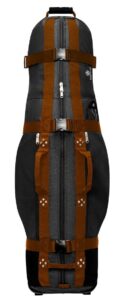
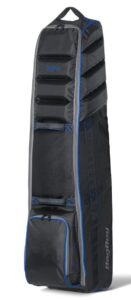
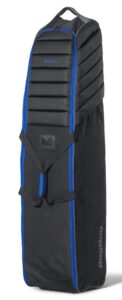
1. The Bodyguard (Travel Covers)
If you are flying, you’re likely checking your clubs, and baggage handlers are not always gentle. Since you don’t have a buddy to help muscle a bulky setup through the airport, you need a travel cover that is tough but still manageable.
Look for:
- A hard case if maximum protection is your top priority and you want the most rigid shell against impacts.
- A padded soft cover with internal protection and wheels if you want something lighter and easier to store in a rental car trunk.
Shop Now: Travel Covers
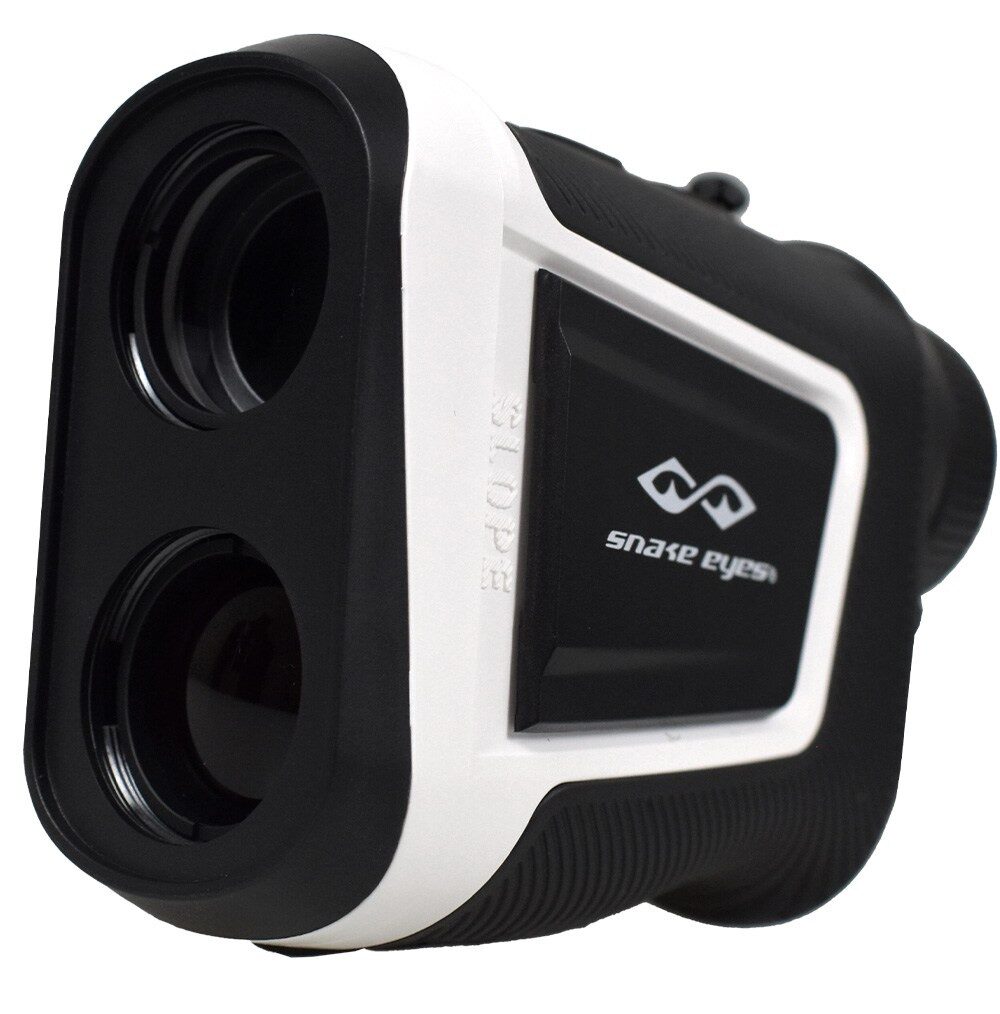


2. Your Virtual Caddy (GPS & Rangefinders)
You won’t have a local caddy, and you can’t lean over and ask, “Does this look like 150 to you?” every shot. To keep pace and make confident swings, you need reliable numbers.
We recommend looking for:
- A laser rangefinder for precise flag and hazard distances.
- A model with “slope” adjustment, which is especially helpful when you’re playing new courses with lots of elevation changes and you’re still learning the terrain.
Shop Now: GPS & Rangefinders
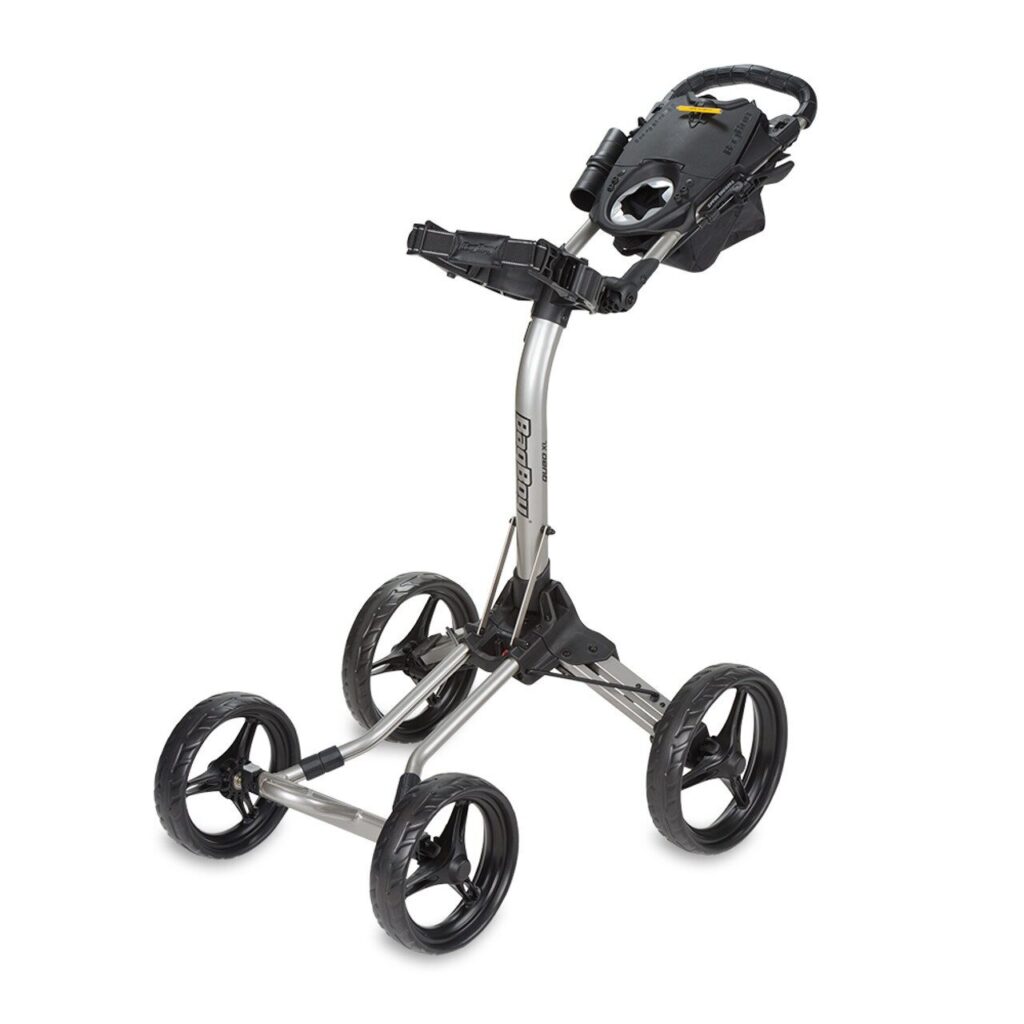
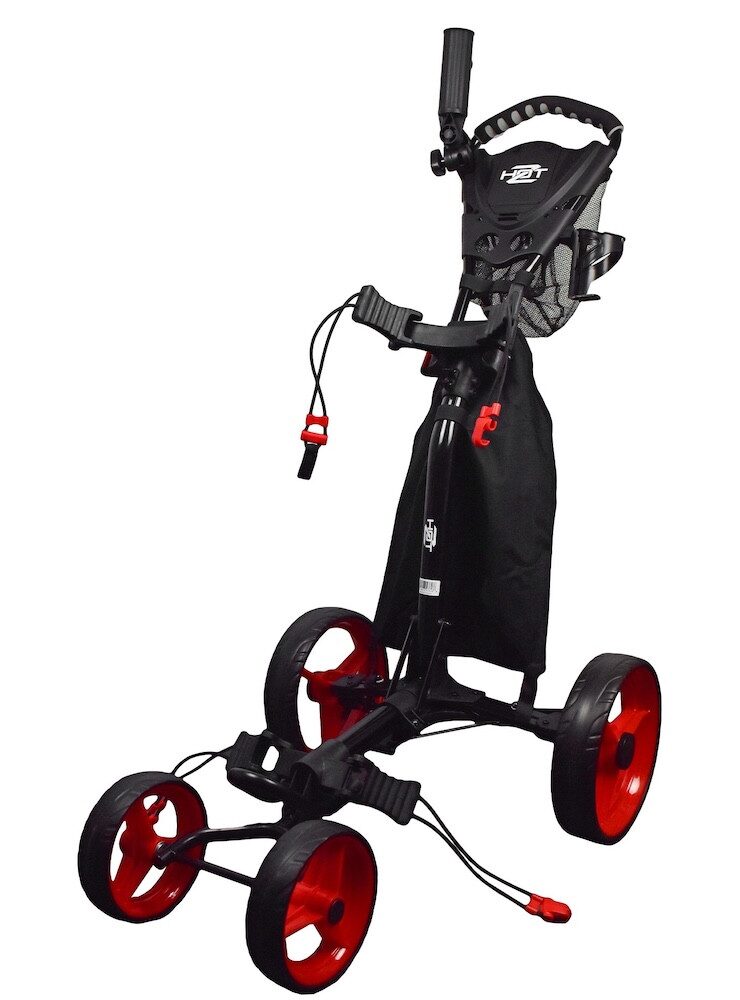
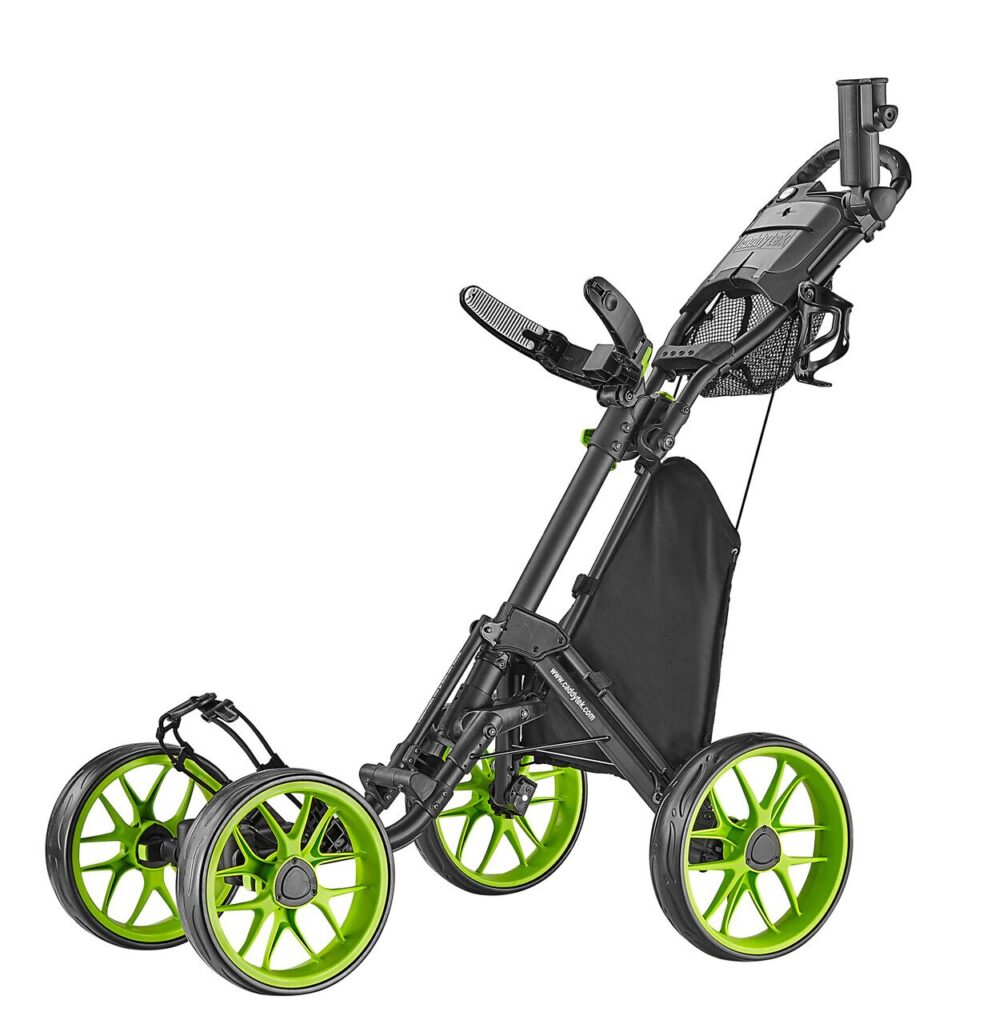
3. The Walker’s Edge (Push Carts)
Solo golf is often best enjoyed on foot. After all, walking keeps you loose, gives you time to think between shots, and lets you soak in the course in a way riding sometimes doesn’t. But carrying a full bag for 18–36 holes can turn a fun trip into a backache.
We recommend:
- A sturdy 3‑wheel push cart that folds easily into a trunk and rolls smoothly over uneven ground. Over time, it can save you money on cart fees if you like to walk and can reduce wear and tear on your back.
Shop Now: Push Carts

The Final Verdict
Stop waiting for the group chat to make up its mind. The course is calling, and sometimes, the best company you can have on the fairways is yourself.
When you know how to plan a budget solo golf trip isn’t just about saving money, it’s about taking ownership of your game, your time, and your sanity. So, check your calendar, grab your gear, and go find that open tee time.
Ready to pack your bags? Check out Rock Bottom Golf to get road-trip ready for less and stretch your golf budget even further.
Playing alone means no distractions and no rushing. It’s the perfect time to dial in your tempo. Pack a swing trainer to fix your faults while you play.
Shop Golf Training Aids ›Writer/Editor: Danny Kapp is a passionate golf enthusiast and a 10-year veteran golf blog writer for Rock Bottom Golf, offering his unique perspective on the game. With a keen eye for detail, he covers various aspects of golf, ranging from technical insights to the latest trends in golf equipment and golf technology.