

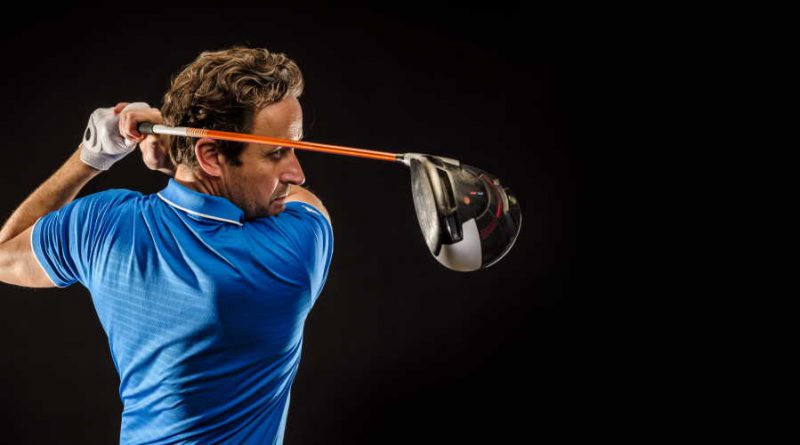
Driver 101: What a Golf Driver Is, How It Works, and the Main Types
A golf driver is the club built to hit the ball as far as possible off the tee. It has the biggest head, the longest shaft, and the lowest loft of any club in your bag except the putter. If you’re ready to shop, Rock Bottom Golf carries new and pre-owned golf drivers from the top brands. If you’re still learning the basics, this guide covers what a driver is, how its parts work, and the main types you’ll run into.
Key Points
- A driver, also called the 1-wood, is designed for tee shots on par 4s and par 5s, where distance matters most.
- The rules cap driver heads at 460 cc (plus a small testing tolerance) and club length at 48 inches.
- The main parts are the face, crown, sole, hosel, shaft, and grip. Most modern drivers let you adjust loft or weighting.
- Common types include max-forgiveness, low-spin, draw-biased, lightweight, and mini drivers. The right one depends on your swing speed and your typical miss.
- Pre-owned drivers offer much of the same technology for less, often from just a season or two ago.

What Is a Golf Driver?
The driver is the club most golfers hit from the tee on par 4s and par 5s. It’s designed for maximum distance with the ball sitting on a tee, and three things set it apart from the rest of the bag:
- Head size: Most drivers sit at or near the USGA’s 460 cc limit, which makes the driver head the biggest in your bag. A larger head is more stable on off-center hits.
- Loft: Driver lofts typically range from about 8 to 12 degrees, with some lightweight and women’s models going higher. That low loft produces a lower-spinning, more penetrating flight than a fairway wood or hybrid.
- Length: The driver has the longest shaft in the bag, typically around 45 to 46 inches on men’s stock models. The extra length creates more clubhead speed, but it also makes the driver the hardest club to hit consistently.
Parts of a Golf Driver
Every driver is built from the same basic parts. Knowing what each one does makes it much easier to read a spec sheet or compare two models.
| Part | What It Does |
|---|---|
| Face | The hitting surface. Driver faces are thin and built to flex at impact, which adds ball speed. The rules limit how much spring a face can have. |
| Crown | The top of the head you see at address. Many crowns use carbon fiber or composite materials to save weight that designers can place elsewhere in the head. |
| Sole | The bottom of the head. It often holds fixed or movable weights that shift the center of gravity. |
| Hosel | Where the shaft meets the head. On most modern drivers, an adjustable sleeve lets you change loft, lie, or face angle with a wrench. |
| Shaft | Almost always graphite. Its flex, weight, and bend profile affect launch, spin, and feel. |
| Grip | Your only contact with the club. Grip size and condition affect control, and a worn grip is one of the cheapest upgrades in golf. |

How a Driver Produces Distance
Distance off the tee comes down to three numbers: how fast the ball leaves the face, how high it launches, and how much it spins. A driver’s design is about getting all three right on a ball hit from a tee.
- Speed and center contact: The long shaft builds clubhead speed, and the flexing face turns it into ball speed. Strikes near the center of the face go the farthest.
- Launch and spin: Teeing the ball high lets you catch it on a slightly upward path, which raises launch and lowers spin. That combination is what most golfers need for more carry and roll.
- Forgiveness: Weight placed low and toward the back and edges of the head raises its moment of inertia (MOI), which helps it resist twisting on mishits. Off-center shots lose less distance and stay closer to the target line. The rules cap MOI as well.
- Adjustability: Moving weight toward the heel can encourage a draw, and adding loft at the hosel can help a ball that launches too low.
The Main Types of Drivers
Most driver families come in several head styles. Here’s what each one is built to do:
- Max-forgiveness: A larger footprint and high MOI for stability on mishits. A good fit for most mid- and high-handicap golfers.
- Low-spin: Weight positioned forward to cut spin and flatten the flight. Built for faster swingers who tend to hit the ball too high or with too much spin.
- Draw-biased: Heel weighting, and sometimes a slightly closed face, helps square the face at impact to reduce a slice.
- Lightweight: Lighter heads, shafts, and grips help slower swingers create more speed. Many women’s and senior models fall in this group.
- Mini drivers: A smaller head, usually with more loft and a shorter shaft than a standard driver. They’re easier to control off the tee and more playable off the fairway. Shop mini drivers.
Many models also come in left-handed versions, and every style shows up in the pre-owned market, often for much less than it cost new. You can shop each style in Rock Bottom Golf’s selection of new and pre-owned drivers, and used drivers are graded by condition, so you know what you’re getting.
How to Choose the Right Driver
Choosing a driver comes down to a few questions, and our driver buying guide walks through each one in detail:
- How fast do you swing? Swing speed points you toward the right shaft flex and loft.
- What’s your typical miss? A slice points toward a draw-biased head, while a ball that balloons with too much spin points toward a low-spin model.
- What’s your budget? Prior-generation and pre-owned drivers can deliver nearly the same performance for less. If you’re buying new, timing matters too, so check the best time to buy golf clubs before you check out.
Driver 101 FAQ
What is a golf driver used for?
A driver is used mainly for tee shots on par 4s and par 5s, where you want maximum distance. With the least loft of any club except the putter and the longest shaft in the bag, it’s built to launch a teed-up ball with lower spin and send it as far as possible.
What is the difference between a driver and a fairway wood?
A driver has a larger head (up to 460 cc), less loft (usually about 8 to 12 degrees), and a longer shaft, and it’s designed to hit a ball off a tee. Fairway woods have smaller, shallower heads, more loft, and shorter shafts, which makes them easier to hit off the turf as well as the tee.
How big can a golf driver head be?
Under the USGA’s equipment rules, a driver head can’t exceed 460 cubic centimeters, plus a 10 cc testing tolerance. Most modern drivers are built right at that limit. The rules also cap overall club length at 48 inches.
What is a mini driver?
A mini driver has a smaller head than a standard driver, usually with more loft and a shorter shaft. It sits between a driver and a 3-wood, so it’s easier to control off the tee than a full-size driver and more playable off the fairway.
Is a pre-owned driver a good idea?
For many golfers, yes. Driver technology tends to change in small steps from one year to the next, so a model from a season or two ago often performs close to the latest release for less money. At Rock Bottom Golf, pre-owned clubs are graded by condition, and RBG Certified Pre-Owned clubs come with a 30-day playability and condition guarantee and a 12-month limited warranty.
Ready to Upgrade Off the Tee?
Compare new and pre-owned drivers from the top brands, from max-forgiveness heads to mini drivers.
Shop Golf DriversBefore You Go!
What driver is in your bag right now, and what do you love (or hate) about it? Tell us in the comments below.
Keep Reading
Reference
United States Golf Association (USGA), Equipment Rules, Design of Clubs: clubhead volume, club length, and moment of inertia limits. usga.org
Danny Kapp — Golf Writer & Editor
Danny Kapp has spent 11 years writing about golf for Rock Bottom Golf, covering equipment, club selection, buying advice, and golf technology. His articles focus on helping everyday golfers understand their options and make more informed equipment decisions.

Last Updated on by Danny Kapp
Pingback: Customize Your Clubs 2021! - Golf Blog | RockBottomGolf.com
Pingback: TaylorMade 300 Mini Driver - Golf Blog | RockBottomGolf.com
Pingback: Winner's Bag: Collin Morikawa - Golf Blog | RockBottomGolf.com
Pingback: Golf Balls 101: Choosing The Best Golf Balls For You
Pingback: Your Most Popular courses! - Golf Blog | RockBottomGolf.com
Pingback: Golf GPS 101: Guide on Choosing the Best Golf GPS For You
Pingback: The All NEW T-Series Irons - Golf Blog | RockBottomGolf.com
Pingback: TaylorMade SIM 2 Giveaway - Golf Blog | RockBottomGolf.com
Pingback: Xander Schauffele What's in the Bag - Golf Blog | RockBottomGolf.com
Pingback: Fast Facts: What You Should Know About Golf Pants
Pingback: Cleveland Golf Launcher XL Drivers - Golf Blog | RockBottomGolf.com
Pingback: Golf Rangefinder Fast Facts: What You Should Know
Pingback: Etonic September giveaway! - Golf Blog | RockBottomGolf.com
Pingback: Golf Clubs 101: A Quick & Informative Guide
Pingback: Cobra LTDx Drivers - Golf Blog | RockBottomGolf.com
Pingback: Callaway Rogue ST Drivers - Golf Blog | RockBottomGolf.com
Pingback: The Top 5 Golf Technology Tools to up Your Game
Pingback: TaylorMade STEALTH 2 Carbonwoods - Golf Blog | RockBottomGolf.com
Pingback: Ray Cook Giveaway - Golf Blog | RockBottomGolf.com
Pingback: Golf Driver Weight Distribution: Professional Insights